Are you looking to brighten up your outdoor space with string lights but unsure how to attach them to a concrete wall? You’re not alone.
Hanging lights on concrete can feel tricky if you don’t have the right tools or know-how. But don’t worry—this guide will show you simple, safe, and effective ways to get those lights up quickly. Keep reading, and you’ll discover easy steps that make your space cozy and inviting in no time.
Your perfect glow is just around the corner!
Choosing The Right String Lights
Choosing the right string lights is important for your concrete wall project. The right lights last longer and look better. You must think about the type, length, and brightness. These factors affect how your lights perform outdoors.
Types Suitable For Outdoor Use
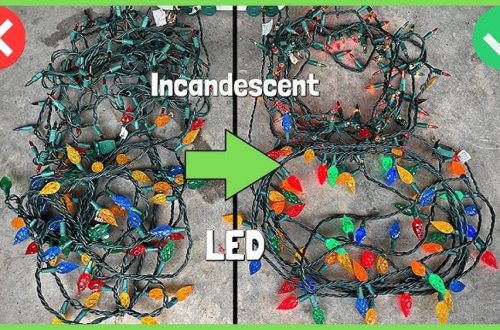
Choose string lights made for outdoor use. Look for lights with waterproof or weather-resistant ratings. LED lights are a good choice. They use less power and stay cool. Avoid lights meant only for indoor use. They may break or stop working outside.
Length And Brightness Considerations
Measure the wall to know the length you need. Pick lights that cover the entire area without too many gaps. Brightness depends on your purpose. For soft mood lighting, choose lower brightness. For more light, pick brighter bulbs. Check the bulb size and spacing too.
Preparing The Concrete Surface
Preparing the concrete surface is the first step to attach string lights securely. A clean and well-marked wall helps the lights stay in place longer. Proper preparation prevents damage and makes installation easier.
Cleaning And Drying The Wall
Start by removing dirt, dust, and loose particles from the concrete. Use a stiff brush or broom to sweep the wall thoroughly. Washing the wall with water and mild soap helps remove stubborn grime.
After cleaning, let the wall dry completely. Moisture can weaken adhesives and hooks. Use a towel or let it air dry for a few hours before proceeding.
Marking Attachment Points
Plan where to place the string lights on the wall. Use a pencil or chalk to mark spots for hooks or nails. Space the marks evenly for a neat look and better support.
Check the alignment by stepping back and adjusting marks as needed. Clear marking saves time and prevents mistakes during installation.
Tools And Materials Needed
Attaching string lights to a concrete wall needs the right tools and materials. This ensures a secure hold and safe setup. Using proper items makes the job easier and your lights stay put longer.
Below are key tools and materials you will need for the task. Each plays a role in fixing the lights firmly to the concrete surface.
Anchors And Hooks Options
Concrete walls require strong anchors for support. Plastic anchors work well for light decorations. Metal anchors offer extra strength for heavier strings.
Choose hooks designed for concrete. Screw hooks provide a reliable grip. Adhesive hooks can hold lightweight lights without drilling. Pick hooks that fit your light string size and weight.
Drills And Other Equipment
A hammer drill is ideal for concrete walls. It drills holes quickly and efficiently. Use a masonry drill bit matched to your anchor size.
You will also need a screwdriver to insert anchors and screws. A tape measure helps space hooks evenly. A pencil marks drill spots for accuracy.
Methods To Attach String Lights
Attaching string lights to a concrete wall needs the right method. The goal is to keep lights secure without damaging the wall. Several easy and safe ways exist to fix string lights to concrete. Choose one based on tools, wall type, and how permanent the setup should be.
Using Concrete Screws And Anchors
Concrete screws and anchors offer a strong hold. First, drill small holes in the concrete wall. Insert anchors to protect the wall and hold screws tight. Then, screw in the concrete screws, leaving some space for the string lights. This method works best for long-term setups. It keeps lights steady even in wind or rain.
Adhesive Hooks And Strips
Adhesive hooks and strips stick well on smooth concrete surfaces. Clean the wall before applying for better grip. Press hooks firmly and wait for the adhesive to set. Hang string lights gently on these hooks. This option is quick and does not need tools. It suits temporary decorations or renters who can’t drill holes.
Wire Clips And Cable Ties
Wire clips and cable ties help organize and hold string lights. Attach clips to concrete with concrete screws or adhesive. Use cable ties to fasten lights to the clips. This method keeps lights neat and avoids tangling wires. It allows easy adjustments and removal without harm to the wall.
Step-by-step Installation Guide
Attaching string lights to a concrete wall may seem tough. This guide breaks the process into simple steps. Follow each step carefully. Your lights will shine bright and stay safe on the wall.
Drilling And Fixing Anchors
Start by marking spots on the wall. Space them evenly for balanced light hanging. Use a drill with a masonry bit to make holes. The holes must match the size of your anchors. Insert plastic or metal anchors into the holes. Tap gently to fit them flush with the wall.
Securing The Lights
Attach hooks or screws into the anchors. Check they are tight and stable. Hang the string lights by clipping or tying them to the hooks. Keep the wires straight and avoid sagging. This prevents damage and keeps the lights neat.
Testing And Adjusting
Plug in the lights to test them. Look for any loose connections or flickering bulbs. Adjust the tension on the wires if needed. Make sure the lights are secure and evenly spaced. Enjoy your beautifully lit concrete wall.
Safety Tips And Precautions
Safety is very important when attaching string lights to a concrete wall. Working with lights and electricity needs care. Following safety tips helps avoid accidents and damage. Always plan and prepare before starting your project. Use the right tools and materials for the job. Keep safety a top priority during installation.
Handling Electrical Components Safely
Turn off power before handling electrical parts. Use insulated tools to reduce shock risk. Check wires for damage or wear before use. Avoid overloading outlets or extension cords. Keep electrical connections dry and away from water. Wear rubber-soled shoes for extra protection. Use a voltage tester to ensure no current is flowing. Follow manufacturer instructions for all components.
Weatherproofing Connections
Protect all connections from rain and moisture. Use waterproof connectors or sealants on plugs and sockets. Cover plugs with plastic or weatherproof boxes. Seal gaps with silicone caulk to block water. Keep cords elevated to avoid standing water. Regularly check for cracks or wear in seals. Replace damaged parts immediately to prevent hazards. Proper weatherproofing extends light lifespan and safety.
Maintaining And Removing String Lights
Maintaining and removing string lights on a concrete wall keeps them safe and lasting longer. Regular care helps spot problems early. Removing lights carefully prevents damage to the wall and the lights. Both tasks are important for a tidy, well-lit space.
Routine Checks And Repairs
Look at your string lights often. Check for broken bulbs or loose wires. Replace bulbs that do not work. Fix any loose hooks or clips holding the lights. Clean the lights gently to remove dirt and dust. This keeps the lights bright and safe to use. Fixing small problems early saves time and money later.
Safe Removal Techniques
Turn off the power before removing lights. Unplug the string lights from the outlet. Remove clips or hooks gently to avoid wall damage. Pull the lights slowly to prevent wire breaks. Coil the lights carefully for storage. Store in a dry place to avoid damage. Proper removal keeps lights ready for next use.
Frequently Asked Questions
How Do You Hang String Lights On A Concrete Wall?
Use adhesive hooks or masonry nails to attach string lights. Clean the wall first, then secure hooks or nails firmly. Hang the lights carefully to avoid damage or falling.
What Tools Are Needed To Attach Lights On Concrete?
You need a drill, masonry bits, adhesive hooks or nails, a hammer, and a measuring tape. These tools help secure string lights safely on concrete surfaces.
Can I Use Tape To Hang Lights On Concrete?
Regular tape won’t stick well on rough concrete. Use heavy-duty outdoor adhesive hooks or masonry nails for a stronger hold. This ensures your lights stay in place.
How To Avoid Damaging Concrete When Hanging Lights?
Use adhesive hooks instead of nails if you want to avoid holes. When drilling, use the right bit and avoid excessive force. Always measure and plan placements carefully.
Conclusion
Attaching string lights to a concrete wall is simple with the right tools. Use anchors and hooks made for concrete to hold the lights firmly. Take your time to space the lights evenly for a neat look. Avoid damaging the wall by drilling carefully.
Enjoy the cozy glow that string lights bring to any space. Small steps make a big difference in your lighting setup. Now, your concrete wall can shine bright and welcoming all night.