Are you wondering how much electricity your string lights really use? Whether you love decorating your home for the holidays or simply enjoy the warm glow they bring year-round, knowing their energy use can help you save money and reduce waste.
You might be surprised to learn that not all string lights are created equal when it comes to power consumption. You’ll discover exactly how much electricity your string lights use and easy tips to keep your energy bills low without sacrificing the cozy atmosphere you love.
Keep reading to find out how to light up your space smartly and efficiently!
Types Of String Lights
String lights brighten up any space with soft, glowing light. They come in different types, each using different amounts of electricity. Understanding these types helps you choose the right lights for your home and save energy.
Incandescent String Lights
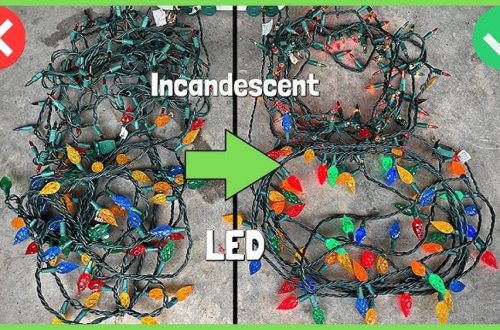
Incandescent lights are the traditional option. They use small bulbs that heat up to create light. These lights consume more electricity than other types. They also get warm to the touch. Their warm glow is familiar and cozy. But their higher power use means bigger electric bills.
Led String Lights
LED lights are a popular modern choice. They use tiny bulbs that stay cool and use very little electricity. LEDs last much longer than incandescent bulbs. Their light is bright and clear but uses less power. These lights help reduce energy costs significantly. They also come in many colors and styles.
Solar-powered Options
Solar string lights charge during the day using sunlight. They store energy in a small battery. At night, they light up without using electricity from your home. These lights are great for outdoor spaces. They save money and reduce environmental impact. Solar lights work best in sunny areas.
Energy Consumption Basics
Understanding the energy use of string lights helps manage electricity costs. It also shows how much power these lights draw from your home. This section explains the basics of energy consumption for string lights.
Measuring Wattage
Wattage is the key number for energy use. It shows how much power a string light uses each second. Most string lights list their wattage on the package or label. Lower wattage means less energy used and lower bills.
Average Usage Per Hour
String lights usually run for several hours each day. To find out energy used, multiply wattage by hours of use. For example, a 10-watt string light used for 5 hours uses 50 watt-hours. This helps estimate daily and monthly electricity use.
Factors Affecting Consumption
Several factors change how much electricity string lights use. The type of bulbs matters—LEDs use much less power than traditional bulbs. The number of bulbs on the string also affects total wattage. Longer strings with more bulbs consume more energy. Brightness settings, if adjustable, can change consumption. Using timers or sensors can reduce hours on and save power.
Comparing Energy Use
Understanding how much electricity string lights use helps you save energy and money. Comparing different types and settings shows which option suits your needs best. This section breaks down key factors that affect energy use in string lights.
Incandescent Vs Led Efficiency
Incandescent bulbs use more electricity than LED bulbs. They create light by heating a wire, which wastes energy as heat. LEDs use less power and last longer. Choosing LED lights can cut energy use by up to 80%.
Impact Of Bulb Count
More bulbs mean more energy consumption. A string with 100 bulbs uses twice the power of one with 50 bulbs. Reducing bulb count lowers electricity use. It also lowers your electric bill and carbon footprint.
Effect Of Light Color And Brightness
Brighter lights consume more power than dimmer ones. Color also affects energy use. White or cool colors often use slightly more electricity than warm colors. Adjusting brightness and color can help control energy consumption.
Cost Implications
Understanding the cost implications of string lights helps manage your electricity budget. These lights can add charm to any space but knowing their energy use is key. The type of bulbs and how long you use them affects your monthly bill. It is useful to estimate these costs before purchasing. This section breaks down the main factors to consider.
Estimating Monthly Electricity Costs
Calculate the wattage of your string lights first. Multiply the wattage by the hours you plan to use them daily. Then multiply that by 30 for a monthly estimate. Divide this number by 1,000 to convert to kilowatt-hours (kWh). Finally, multiply by your local electricity rate per kWh. This gives an estimated monthly cost.
For example, a 100-watt string light running 5 hours daily uses 15 kWh monthly. At $0.12 per kWh, this costs $1.80 a month. This simple math helps avoid surprise expenses.
Long-term Savings With Leds
LED string lights use much less electricity than traditional bulbs. They typically use 75-80% less power. This means your monthly cost drops significantly. LEDs also last longer, reducing replacement frequency. Over time, this saves money on both electricity and bulbs. Switching to LED lights is a smart investment for budget-friendly decoration.
Hidden Costs To Consider
Some costs may not be obvious at first. For example, using timers or extension cords can add small expenses. Faulty or old wiring may increase electricity use. Outdoor string lights might need weatherproofing gear, raising initial costs. Also, leaving lights on longer than planned will increase your bill. Being aware of these factors helps control total expenses.
Energy-saving Tips
Saving energy with string lights helps reduce electricity bills and protects the environment. Small changes can make a big difference in power use. Use these tips to enjoy your lights without wasting energy.
Using Timers And Sensors
Timers turn string lights off automatically at set times. This stops lights from running all night. Sensors detect darkness and switch lights on only when needed. Both tools save electricity and avoid forgetting to turn lights off.
Choosing Energy-efficient Models
LED string lights use less power than traditional bulbs. They last longer and stay cool. Look for lights labeled “energy-efficient” or “LED” to cut electricity use. These models give bright light with less energy.
Proper Installation And Maintenance
Install string lights carefully to avoid damage and short circuits. Check wires and bulbs regularly to ensure they work well. Replace broken bulbs quickly to keep the system efficient. Clean lights often to maintain brightness and reduce power waste.
Environmental Impact
String lights add charm and warmth to any space. Yet, their environmental impact deserves attention. These lights use electricity, which often comes from burning fossil fuels. This process releases carbon dioxide, a gas that warms the planet. Understanding this impact helps us choose better options and care for the environment.
Reducing Carbon Footprint
String lights consume energy, which affects your carbon footprint. Choosing LED string lights can lower energy use by up to 80%. LEDs last longer and need less power than traditional bulbs. Turning off lights when not needed also saves electricity. Small changes reduce your impact on the environment.
Recycling And Disposal
Old string lights can harm the environment if not disposed of properly. Many lights contain metals and plastics that can pollute soil and water. Recycling programs help recover valuable materials and reduce waste. Check for local recycling centers that accept string lights. Proper disposal keeps toxins out of nature.
Supporting Sustainable Brands
Some brands focus on making eco-friendly string lights. They use recycled materials and energy-saving designs. Supporting these companies encourages more green products in the market. Look for certifications like Energy Star or eco-labels. Your choice can promote sustainability and reduce harm.
Frequently Asked Questions
How Much Electricity Do Led String Lights Use?
LED string lights use about 5 to 10 watts per 100 bulbs. They consume significantly less energy than incandescent lights, making them energy-efficient and cost-effective for extended use.
Are Led String Lights More Energy Efficient?
Yes, LED string lights are much more energy efficient. They use up to 80% less electricity than traditional incandescent bulbs, reducing your electricity bill and environmental impact.
Can String Lights Increase My Electricity Bill?
String lights can slightly increase your electricity bill. However, using energy-efficient LED lights minimizes this increase, keeping costs low even with extended use.
How To Calculate String Lights’ Electricity Consumption?
To calculate, multiply the wattage of your string lights by hours used. Divide by 1000 to convert to kilowatt-hours, then multiply by your electricity rate for cost.
Conclusion
String lights use surprisingly little electricity compared to other lights. LED string lights save even more energy and cost less to run. You can enjoy their warm glow without worrying about high bills. Choosing the right type helps keep your electricity use low.
Small changes make a big difference over time. Brighten your space smartly and save energy too.