Are you ready to transform your outdoor space with cozy, glowing patio string lights? Attaching these lights to your house might seem tricky, but it doesn’t have to be.
With the right steps, you can create a warm, inviting atmosphere that makes every evening special. In this guide, you’ll discover simple, effective ways to hang your patio string lights safely and securely. Keep reading to learn how to brighten up your nights and impress your guests with stunning outdoor lighting.
Choosing The Right String Lights
Choosing the right string lights is key to creating a cozy patio space. The right lights can brighten your outdoor area and last through many seasons. This guide helps you pick lights that fit your style and needs.
Types Of Patio String Lights
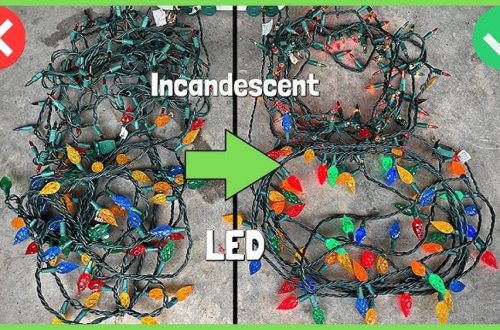
Patio string lights come in many styles. Edison bulbs give a warm, classic glow. LED lights use less power and last longer. Globe lights offer a modern look with soft light. Some lights have color options for fun effects.
Weather Resistance And Durability
Outdoor lights must handle rain, wind, and sun. Choose lights with waterproof ratings like IP65 or higher. Strong wiring and shatterproof bulbs last longer outdoors. Check product details to ensure they withstand weather well.
Length And Bulb Spacing
Measure your patio area before buying lights. Choose a length that fits your space without too much slack. Bulb spacing affects light coverage. Closer bulbs give brighter light, while wider spacing offers a subtle glow.
Tools And Materials Needed
Attaching patio string lights to your house requires the right tools and materials. These help make the job easier and keep your lights secure. Using proper equipment prevents damage to your walls and ensures safety. Here is a list of what you need before you start.
Common Tools For Installation
You will need a ladder to reach high spots safely. A tape measure helps to space lights evenly. A drill is useful for making holes if needed. A pencil or marker allows you to mark spots for hooks or fasteners. Wire cutters may be needed to trim excess string light wire.
Recommended Fasteners And Hooks
Choose hooks designed for outdoor use and strong enough to hold the lights. Adhesive hooks work well on smooth surfaces without drilling. Screw-in hooks provide more security on wood or siding. Zip ties can help bundle and secure extra wires neatly. Use fasteners that will not damage your house or lights.
Safety Equipment
Wear gloves to protect your hands from sharp edges or splinters. Safety glasses shield your eyes from dust and debris. Use non-slip shoes for stable footing on ladders. Having a helper nearby adds safety when climbing or handling long light strands. Always turn off power sources before working near electrical outlets.
Planning The Layout
Planning the layout is the first step in attaching patio string lights to your house. A good plan helps avoid mistakes and saves time. It ensures the lights look great and work safely.
Think about the shape and size of your patio. Visualize where you want the lights to hang. Clear plans make the installation smooth and stress-free.
Measuring Your Space
Use a tape measure to check the length and width of your patio area. Write down the dimensions. Measure twice to avoid errors. Knowing the exact size helps buy the right length of string lights.
Consider any obstacles like trees or furniture. Measure around these to plan the light path. Make sure the string lights will reach all desired spots.
Determining Attachment Points
Look for strong spots on your house to attach the lights. Corners, eaves, and beams work well. Mark these points with chalk or tape. Check if you need hooks or clips for these spots.
Spacing the attachment points evenly keeps the lights neat. Avoid placing hooks too far apart. This prevents sagging and damage.
Considering Power Source Location
Identify where your outdoor power outlet is. Plan the string lights route to reach this point easily. Use an outdoor extension cord if needed.
Avoid running cords across walkways. This stops tripping hazards. Also, make sure the power source is weather-protected for safety.
Attaching To Different Surfaces
Attaching patio string lights to your house depends on the surface type. Different surfaces need different tools and methods. Knowing how to fix lights securely keeps them safe and lasting longer.
Mounting On Wood
Wood is easy to work with. Use small nails or hooks made for wood. Gently tap nails or screws into the wood. Avoid splitting the wood by not using too much force. Hang the string lights on the hooks or nails. Check that the lights hold firmly before finishing.
Fixing On Brick Or Masonry
Brick and masonry are hard surfaces. Use masonry nails or adhesive hooks made for rough walls. Drill small holes with a masonry bit if needed. Insert plastic anchors to hold screws tightly. Attach hooks or screw eyes into the anchors. Hang the string lights carefully to avoid damage.
Hanging From Metal Surfaces
Metal surfaces need special care. Use magnetic hooks for easy removal and no damage. For permanent fixes, use metal screws with washers. Make sure screws fit the metal surface type. Avoid drilling if the metal is thin. Hang lights with strong hooks or clips made for metal.
Installation Techniques
Installing patio string lights properly ensures they stay secure and look great. Different techniques suit different house surfaces and preferences. Choose a method that fits your home’s material and the lights’ weight.
Using Hooks And Clips
Hooks and clips offer an easy way to hang lights without damage. Plastic clips work well on gutters and shingles. Metal hooks provide strong support for heavier strings. Install hooks evenly spaced for balanced tension. This method allows quick removal and repositioning.
Securing With Nails And Screws
Nails and screws give a firm hold for long-term setups. Use small nails to avoid wall damage. Screws with hooks work best on wood surfaces. Pre-drill holes to prevent cracking. This technique is ideal for permanent lighting installations.
Employing Adhesive Solutions
Adhesive hooks and strips avoid holes in walls. Choose weather-resistant adhesives for outdoor use. Clean the surface before applying for better grip. This option suits renters or smooth surfaces like glass. Adhesive solutions are less invasive and easy to remove.
Ensuring Safety And Stability
Ensuring safety and stability is key when attaching patio string lights to your house. Poor installation can cause accidents or damage. Follow simple steps to keep your lights secure and safe. This section covers important checks and tips.
Checking Weight Limits
Check the weight limit of your string lights before hanging. Each light set has a maximum weight it can hold safely. Use strong hooks or anchors that support this weight. Avoid hanging too many lights on one point. Spread the weight evenly to prevent falling.
Protecting Electrical Connections
Keep all electrical connections dry and secure. Use outdoor-rated extension cords and plugs. Cover plugs with waterproof tape or a plastic box. Make sure connections do not hang low where water can reach. Regularly inspect cords for damage or wear.
Weatherproofing Tips
Choose lights designed for outdoor use to resist rain and wind. Use weatherproof clips or hooks to hold lights in place. Seal any holes or gaps where water could enter. Remove or secure lights before storms or strong winds. This helps prevent damage and keeps lights stable.
Maintaining Your String Lights
Maintaining your patio string lights keeps them bright and safe. Regular care helps avoid damage and extends their life. Simple steps make a big difference in performance and look.
Regular Inspection
Check your string lights every few weeks. Look for frayed wires, broken bulbs, or loose connections. Notice any discoloration or melting on sockets. These signs warn of potential hazards. Fix small problems early to prevent bigger issues.
Cleaning And Care
Clean your lights with a soft cloth and mild soap. Avoid harsh chemicals that can damage wires or bulbs. Remove dirt and dust to keep lights bright. Dry them fully before plugging in. Store lights in a dry place during bad weather or winter.
Replacing Damaged Components
Replace any broken bulbs with exact matches. Use bulbs made for outdoor use only. Swap out damaged wires or sockets immediately. Do not use tape or glue on electrical parts. Proper replacements keep your lights working safely and well.
Frequently Asked Questions
How Do I Attach Patio String Lights To My House?
Use adhesive hooks, nails, or screw-in hooks to secure string lights. Ensure lights are weatherproof and avoid damaging surfaces.
What Tools Are Needed For Installing Patio String Lights?
You’ll need a ladder, measuring tape, hooks or nails, a drill or hammer, and outdoor-rated string lights.
Can I Hang Patio String Lights Without Drilling Holes?
Yes, use strong adhesive hooks or clips designed for outdoor use. They hold lights without damaging surfaces.
How High Should Patio String Lights Be Hung?
Hang lights 7 to 10 feet above the ground. This height provides good illumination and safety clearance.
Conclusion
Attaching patio string lights to your house is simple and fun. Use the right tools and follow safety tips carefully. Secure the lights firmly to avoid damage or accidents. Take your time to plan the layout for the best look.
Brighten your outdoor space and enjoy warm evenings outside. A few easy steps can change the whole atmosphere. Now, your patio is ready for cozy nights and gatherings. Enjoy the glow and the good times ahead.