Are you wondering how much electricity your string of Christmas lights actually uses? You’re not alone.
Knowing the wattage can help you save money and avoid surprising spikes in your energy bill. Whether you’re decorating your home or office, understanding how many watts your lights consume lets you choose the best options without wasting power. Keep reading to discover simple ways to measure and manage your Christmas light energy use, so you can enjoy the festive glow without any hidden costs.
Types Of Christmas Lights
Christmas lights come in different types. Each type uses a different amount of power. Knowing the types helps you choose the right lights for your home. It also helps you understand their energy use.
Incandescent Bulbs
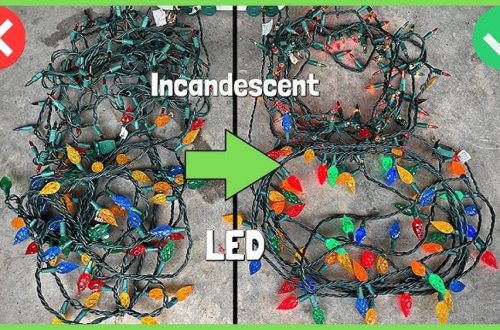
Incandescent bulbs are the traditional Christmas lights. They use more watts per bulb compared to newer types. Each bulb usually uses about 5 watts. This type can make your electricity bill higher. They produce a warm glow but get hot quickly.
Led Bulbs
LED bulbs use much less power than incandescent lights. Each LED bulb uses about 0.05 watts. They last longer and stay cool while working. LED lights come in many colors and shapes. They are good for saving energy during the holidays.
Solar-powered Lights
Solar-powered Christmas lights use energy from the sun. They do not use electricity from your home. These lights have small solar panels that charge during the day. At night, they use stored energy to shine. Solar lights are eco-friendly and save money.
Power Consumption Basics
Understanding how much power a string of Christmas lights uses helps in managing energy costs. It also ensures you do not overload your electrical circuits. Power consumption depends on several basic electrical concepts. Learning these will make it easier to choose the right lights for your home.
Wattage Explained
Wattage is the measure of electrical power a device uses. For Christmas lights, it tells how much energy the bulbs consume. Higher wattage means more power use and brighter lights. Lower wattage lights save energy but may shine less brightly. The wattage of a string of lights is usually listed on the package or the light’s label.
Voltage And Current Factors
Voltage is the force that pushes electricity through the wires. Current is the flow of electric charge. Together, voltage and current determine the total power consumption. Power (watts) equals voltage multiplied by current. Different lights use different voltage levels. LED lights often use less current, lowering overall power use. Knowing voltage and current helps compare energy use between light types.
Wattage Of Common Light Strings
The wattage of Christmas light strings varies by type and size. Knowing the wattage helps manage electricity use and costs. It also guides safe installation and prevents overloads. Below, we explore common light strings and their typical wattages.
Standard Incandescent Strings
Standard incandescent strings use more power than newer lights. Each bulb usually uses about 5 watts. A typical 100-bulb string can draw around 500 watts. These lights get warm and consume more electricity. They are less energy-efficient than LED options.
Led Light Strings
LED light strings use much less power than incandescent lights. Each bulb uses about 0.05 to 0.1 watts. A 100-bulb LED string might use only 5 to 10 watts. LEDs run cooler and last longer. They save energy and reduce electricity bills.
Mini Vs. C7 And C9 Bulbs
Mini bulbs are small and use less power. Each mini bulb uses about 0.5 watts. C7 bulbs are larger and use around 7 watts each. C9 bulbs are the biggest and use about 9 watts each. Larger bulbs create brighter displays but use more energy.
Calculating Total Wattage
Calculating the total wattage of your Christmas lights helps you manage energy use. It also prevents overloading your circuits. This section breaks down the steps to find out how many watts your string uses.
Counting Bulbs Per String
First, count how many bulbs are on your string. Most strings have a label with this number. If not, count each bulb carefully. This number is the base for your calculation.
Multiplying By Individual Bulb Wattage
Next, find out the wattage of each bulb. This info is often on the packaging or bulb base. Multiply the number of bulbs by this wattage. The result is the total watts used by the string.
Considering Length And Bulb Density
Longer strings with more bulbs use more power. Bulb density means how close bulbs are to each other. Higher density usually means more watts per foot. Adjust your total wattage estimate if your string is dense or very long.
Energy Efficiency Tips
Saving energy with Christmas lights helps lower your electricity bill. It also reduces the impact on the environment. Simple changes can make a big difference in energy use. Here are some easy tips to keep your holiday lights bright and efficient.
Choosing Led Over Incandescent
LED lights use much less power than incandescent bulbs. They last longer and stay cool to the touch. Switching to LED strings cuts energy use by up to 80%. This choice saves money and reduces waste over time.
Using Timers And Smart Plugs
Timers turn lights on and off automatically. They stop lights from running all night. Smart plugs let you control lights with your phone. Both tools help avoid wasting electricity when lights are not needed.
Reducing Usage Time
Keep lights on for fewer hours each day. Turning them off during daytime saves power. Set a schedule to enjoy lights only in the evening. Small changes in how long lights run can cut energy use a lot.
Safety And Electrical Load
Christmas lights bring joy but also require careful attention to safety. Understanding electrical load is key to avoid hazards. Overloading circuits or using wrong cords can cause fires or damage. Knowing the right practices keeps your home safe and your lights shining bright.
Avoiding Overloading Circuits
Each string of Christmas lights uses a certain number of watts. Adding too many strings to one outlet can overload the circuit. This can cause breakers to trip or wires to heat up. Always check the wattage limits of your circuit. Spread out lights across different outlets to balance the load. Use a power strip with a built-in circuit breaker for extra safety.
Using Proper Extension Cords
Use extension cords rated for the wattage of your lights. Thin or old cords may not handle the power needed. This can cause cords to overheat and start fires. Outdoor lights need cords labeled for outdoor use. Keep cords untangled and away from walkways to avoid trips. Inspect cords for damage before each use and replace if needed.
Indoor Vs. Outdoor Considerations
Indoor lights and outdoor lights differ in power and safety needs. Outdoor lights must be weather-resistant and use stronger insulation. Using indoor lights outside risks electric shock or short circuits. Plug outdoor lights into ground-fault circuit interrupter (GFCI) outlets. Check manufacturer instructions for proper use and wattage limits. This ensures safety and prolongs the life of your lights.
Estimating Electricity Costs
Estimating the electricity cost of Christmas lights helps you manage your holiday budget. Knowing how much power your lights use shows how much you pay. This section breaks down the math behind the cost. It explains how to calculate usage and understand the impact on your bill.
Calculating Kilowatt-hours
Kilowatt-hours (kWh) measure energy use. To find kWh, multiply the watts of your lights by the hours they run. Then, divide by 1,000. For example, a 100-watt string running 5 hours uses 0.5 kWh (100 x 5 ÷ 1000).
Average Cost Per Hour
The cost per kWh varies by location but often ranges from 10 to 15 cents. Multiply your kWh by this rate to find the cost. Using 0.5 kWh at 12 cents per kWh equals 6 cents per day.
Seasonal Usage Impact
Holiday lights run many hours daily in winter. This adds up over weeks. Running 6 hours daily for 30 days equals 180 hours. Multiply hours by watts to find total energy use. This total shows the seasonal cost of your lights.
Alternative Lighting Options
Choosing the right lighting for your holiday decorations affects your energy use and costs. Alternative lighting options offer ways to brighten your space while saving power. These choices fit different needs and styles. They can reduce electricity use and last for many seasons.
Solar String Lights
Solar string lights use the sun’s energy to shine. They have small solar panels that charge during the day. At night, the lights glow without using electricity from your home. These lights work best outdoors in sunny spots. They save money and reduce your carbon footprint.
Battery-powered Lights
Battery-powered lights run on AA or AAA batteries. They do not need to plug into the wall. You can place them anywhere without worrying about cords. These lights are great for small spaces or areas without outlets. Choose LED bulbs to make batteries last longer.
Low-voltage Systems
Low-voltage lighting uses less electricity than regular lights. These systems run on 12 volts instead of 120 volts. They are safer and easier to install outside. Low-voltage lights create a soft glow for gardens and pathways. Using these lights cuts down on energy use and costs.
Frequently Asked Questions
How Many Watts Do Led Christmas Lights Use?
LED Christmas lights typically use 5 to 10 watts per 100-light string. They are energy-efficient and consume less power than traditional bulbs, saving electricity and reducing costs during the holiday season.
What Is The Wattage Of Traditional Christmas Lights?
Traditional incandescent Christmas lights usually use about 40 to 60 watts per 100-light string. These bulbs consume more electricity compared to LEDs, leading to higher energy bills and increased heat production.
How To Calculate Total Watts For Multiple Light Strings?
Multiply the wattage of one string by the number of strings used. For example, five 10-watt LED strings equal 50 watts total, helping you estimate your overall energy consumption accurately.
Does Wattage Affect Christmas Light Brightness?
Wattage influences power consumption, not directly brightness. LED lights use fewer watts but can be as bright as incandescent bulbs, offering vibrant illumination with less energy use.
Conclusion
Knowing how many watts your Christmas lights use helps save energy and money. Choose LED lights to lower power use and last longer. Check the label for watt information before buying. Turn off lights when not needed to avoid waste.
Small changes make a big difference during the holidays. Enjoy your decorations without worrying about high electric bills. Bright and safe celebrations are possible with smart lighting choices.