Want to transform your patio into a cozy, inviting space that shines every evening? Hanging string lights is one of the easiest and most affordable ways to add charm and warmth to your outdoor area.
But if you’re unsure where to start or worried about making mistakes, you’re not alone. In this guide, you’ll discover simple, step-by-step tips that make hanging patio string lights a breeze—even if you’ve never done it before. By the end, you’ll know exactly how to create the perfect glow that turns your patio into the go-to spot for relaxing or entertaining.
Let’s get your outdoor space glowing!
Choosing The Right Lights
Choosing the right lights is key for a beautiful patio. The lights set the mood and make your space cozy. Picking the right type helps your lights last longer. It also saves energy and fits your style. Think about the light style, bulb type, and weather needs. This guide makes it easy to choose.
Types Of Patio String Lights
There are many types of patio string lights. Globe lights are round and give soft, warm light. Edison bulbs have a vintage look with visible filaments. Fairy lights are small and delicate, perfect for a subtle glow. Rope lights are flexible tubes that shine evenly. Choose the style that matches your patio theme.
Led Vs Incandescent
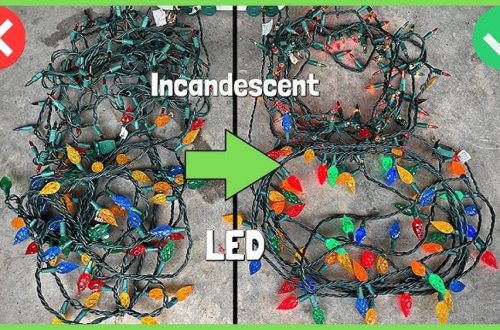
LED lights use less energy than incandescent bulbs. They last much longer and save money on bills. Incandescent bulbs give a warm, classic glow. But they burn out faster and use more power. For outdoor use, LED is usually the smarter choice. They stay cool and work well in many conditions.
Weather Resistance
Patio lights must handle rain, wind, and sun. Look for lights labeled as weather-resistant or waterproof. Check the IP rating, which shows how well they resist water and dust. Higher IP numbers mean better protection. Strong weather resistance means your lights stay bright longer. It keeps your patio shining, no matter the weather.
Planning Your Layout
Planning your layout is the first step in hanging patio string lights. It helps you use space efficiently and creates a cozy atmosphere. Careful planning saves time and prevents mistakes during installation.
Measuring Your Space
Measure the area where you want to hang the lights. Use a tape measure to get accurate length and width. Note any obstacles like trees, poles, or furniture. Mark these on your sketch to avoid surprises later. Precise measurements help you buy the right length of string lights.
Deciding On Light Patterns
Choose the style of lighting pattern that fits your space. Straight lines work well for long, narrow areas. Zigzag or crisscross patterns create a lively look for larger spaces. Circular or spiral patterns add charm around trees or poles. Pick a pattern that matches your outdoor setting and vibe.
Power Source Placement
Locate the closest power outlet to your patio area. Check if it is weatherproof or needs protection. Plan your string lights path to reach this outlet safely. Avoid running cords across walkways to prevent tripping. Consider using outdoor extension cords if needed. Proper power placement ensures your lights stay on all night.
Gathering Tools And Materials
Before hanging patio string lights, gather all necessary tools and materials. Having everything ready saves time and keeps the process smooth. It also helps avoid trips to the store during installation.
Essential Tools
Start with basic tools needed for most installations. A ladder is important to reach high spots safely. Use a tape measure to space lights evenly. A drill or screwdriver helps secure mounting hardware. Pliers or wire cutters may be needed to adjust light strands. A pencil or chalk can mark mounting points.
Mounting Hardware Options
Choose mounting hardware based on your patio’s structure. Hooks work well for wood surfaces. Adhesive clips suit smooth walls or ceilings without damage. Eye screws provide strong support for heavier lights. Zip ties or cable clips help manage excess wire. Select hardware that fits your setup and holds lights securely.
Preparing The Area
Preparing the area is a key step before hanging patio string lights. It helps ensure a smooth and safe setup. Taking time to get the space ready makes the process faster and easier.
Start by checking the space for any obstacles. Clear the area to avoid problems later. Next, find a good power source to plug in your lights. Both steps set the foundation for a great lighting setup.
Clearing Obstacles
Look around the patio for items that could block your work. Move furniture, pots, and garden tools away. Trim any branches or vines that might get in the way. Clear space helps you reach all spots safely.
Removing obstacles prevents damage to your lights. It also protects your plants and furniture. A neat area makes hanging string lights a simple task.
Checking For Power Access
Find an outdoor power outlet near your patio. Check if it works by plugging in a small device. If no outlet is nearby, consider using an extension cord made for outdoor use.
Make sure the power source is safe and dry. Avoid running cords across walkways to prevent tripping. Proper power access keeps your lights bright and your patio safe.
Installing Anchors And Hooks
Installing anchors and hooks is a key step in hanging patio string lights. This step ensures the lights stay secure and look neat. Good anchor points and hooks keep the strings tight and safe from wind or movement. Taking time here makes the whole setup stronger and lasts longer.
Selecting Anchor Points
Choose strong points to hold the weight of the lights. Look for sturdy surfaces like wooden beams, fence posts, or walls. Avoid weak spots like dry wood or loose bricks. Measure the distance between points to keep the lights evenly spaced. Pick spots that allow the lights to hang in a straight line or gentle curve. Make sure anchor points are high enough to keep lights away from heads and doors.
Proper Hook Installation
Use hooks designed for outdoor use and the weight of your lights. Screw hooks into the anchor points firmly by hand or with a drill. Avoid over-tightening to prevent damage to surfaces. If you use wall anchors, insert them fully before screwing hooks. Space hooks evenly to support the string lights well. Check that hooks face outward to hold the string loops securely.
Hanging The Lights
Hanging patio string lights creates a warm and inviting space outdoors. The process needs care to keep lights secure and looking neat. Proper hanging ensures the lights stay up through wind and weather.
Securing The String Lights
Start by choosing strong anchor points like posts or hooks. Use sturdy clips or hooks designed for outdoor use. Avoid nails that can damage the wire or cause shorts. Secure each end tightly to prevent sagging or falling. Check that each connection is firm before moving on.
Ensuring Even Tension
Even tension stops the lights from drooping or pulling apart. Pull the string gently between anchors without stretching too hard. Adjust the clips or hooks to balance the wire evenly. Keep the lights level for a polished look. Regularly check tension after storms or strong winds.
Connecting To Power
Connecting patio string lights to power is a key step for a cozy outdoor space. It needs care to keep things safe and working well. Proper connection prevents hazards and ensures your lights shine bright all night.
Safe Electrical Practices
Use outdoor-rated lights and plugs. They resist weather and moisture. Check that your power source has a ground fault circuit interrupter (GFCI). It stops electric shocks by cutting power fast.
Inspect cords for damage before use. Avoid overloading circuits to prevent fires. Secure cords away from walkways to stop trips. Turn off power before plugging or unplugging lights.
Using Extension Cords
Choose extension cords made for outdoor use only. They handle moisture and rough conditions. Match cord length to your setup to avoid tension. Avoid running cords under rugs or through doors.
Connect cords firmly to avoid loose plugs. Use cord covers for extra protection. Keep cords dry and off the ground when possible. These steps help keep your lights glowing safely.
Testing And Adjusting
Testing and adjusting your patio string lights is a key step. It ensures your lights work well and look great. This stage helps catch any issues early. It also lets you perfect the light placement for the best effect.
Checking Light Functionality
Start by plugging in the string lights. Watch closely to see if all bulbs light up. Look for flickering or dim bulbs. Replace any broken or missing bulbs before moving on. Test the entire length of the string. This prevents surprises after installation. Make sure the power source is stable. A steady power flow keeps your lights bright all night.
Fine-tuning Placement
Step back and look at the lights from different angles. Adjust the height and spacing of the bulbs. This creates a balanced and inviting glow. Avoid hanging lights too close to plants or objects. It can block the light or cause damage. Use clips or hooks to tighten loose sections. Secure strings to prevent sagging or swaying. Small tweaks improve the overall look and safety.
Maintaining Your Lights
Maintaining your patio string lights keeps them bright and safe to use. Regular care helps the lights last longer. It also prevents damage from weather and dirt. Simple steps can protect your investment and keep your outdoor space inviting.
Cleaning Tips
Turn off and unplug the lights before cleaning. Use a soft cloth or sponge with mild soap. Gently wipe each bulb and the cords to remove dust and grime. Avoid harsh chemicals that can damage the plastic or bulbs. Let the lights dry completely before turning them back on.
Seasonal Storage
Remove the lights carefully to avoid tangling or breaking. Coil them loosely and secure with twist ties or Velcro straps. Store the lights in a dry, cool place away from direct sunlight. Use a sturdy container to protect them from pests and moisture. Proper storage keeps lights working well for the next season.
Frequently Asked Questions
How Do I Hang Patio String Lights Safely?
Use sturdy hooks or eye screws to secure lights. Avoid sharp edges and keep cords away from water. Ensure lights are rated for outdoor use to prevent electrical hazards.
What Tools Do I Need To Hang String Lights?
You’ll need hooks or eye screws, a ladder, measuring tape, and possibly zip ties. These tools help position and secure the lights properly.
Can I Hang String Lights Without Drilling Holes?
Yes, use adhesive hooks or wrap lights around existing structures like poles or railings. This avoids damage and keeps installation simple.
How High Should Patio String Lights Be Hung?
Hang lights around 7 to 8 feet high. This height provides good illumination and keeps bulbs out of reach for safety.
Conclusion
Hanging patio string lights brings warmth to any outdoor space. Start with a clear plan and measure your area. Use sturdy hooks or poles to keep lights safe and secure. Check that all connections are tight and weatherproof. Turn on the lights to enjoy a cozy, inviting glow.
Simple steps lead to a beautiful backyard evening. Brighten your nights with ease and style.