Are you ready to transform your space with a stylish pendant light but not sure where to start? Adding a pendant light can instantly brighten your room and add a touch of personality.
You don’t need to be an expert or hire a pro to get it done right. In this guide, you’ll discover simple, step-by-step instructions that make the process clear and easy. By the end, you’ll have the confidence to install your own pendant light and enjoy the cozy, inviting glow it brings.
Let’s get started and make your space shine!
Choosing The Right Pendant Light
Choosing the right pendant light makes a big difference in your room’s look and feel. It is not just about picking a light. The right choice blends style, size, and function. It fits the room perfectly and matches your existing decor. This helps create a balanced and inviting space.
Selecting Style And Size
Choose a pendant light style that suits your taste and room theme. Simple, modern, rustic, or vintage styles work for different spaces. Size matters too. Large pendants suit big rooms. Small ones fit better in compact areas. The light should not overwhelm or look too small.
Considering Room Function And Layout
Think about what you use the room for. Dining rooms need focused light over the table. Living rooms may need soft, ambient lighting. Check the room layout. Pendant lights should hang where they shine best. Avoid blocking pathways or sightlines.
Matching With Existing Decor
Match the pendant light with your room’s colors and materials. Metal, wood, or glass finishes should complement furniture and fixtures. A good match creates harmony. It ties the room together and feels well planned. Avoid clashing styles that confuse the eye.
Gathering Tools And Materials
Gathering the right tools and materials is the first step to add a pendant light. This step helps you work safely and efficiently. Preparing everything in advance saves time and avoids frustration during installation.
Essential Tools List
Start with a screwdriver set, both flathead and Phillips. You will need wire strippers to prepare electrical wires. A voltage tester ensures power is off before work. A drill with bits helps mount the fixture. Pliers come in handy for twisting wires. Tape measure ensures correct placement height. Finally, have a ladder or step stool for reach.
Safety Gear And Precautions
Wear safety goggles to protect your eyes from dust and debris. Use insulated gloves to avoid electric shocks. Turn off the power at the circuit breaker before starting. Work in a dry area to prevent slipping or shocks. Keep your workspace clear of obstacles. Have a flashlight ready if lighting is poor.
Checking Electrical Components
Examine the existing wiring for damage or wear. Look for loose connections or exposed wires. Make sure the electrical box supports the new light fixture’s weight. Confirm the circuit can handle the pendant light’s wattage. Use a voltage tester to verify no current flows. Replace any damaged parts before proceeding.
Preparing The Installation Area
Preparing the area for pendant light installation is key to a safe and smooth process.
It starts with making sure the power is off and the old fixture is removed. Next, check the wiring carefully. Each step sets the stage for a secure and stylish new light.
Turning Off Power
Always turn off the power at the circuit breaker. This stops electricity from flowing to the light fixture.
Use a voltage tester to confirm the power is off. Never skip this step. It keeps you safe from electric shock.
Removing Old Fixtures
Remove any old light fixtures carefully. Unscrew the fixture from the ceiling or wall.
Disconnect the wires by loosening the wire nuts. Keep track of how the wires connect. It helps during the new installation.
Inspecting Wiring
Check the wiring for any damage or wear. Look for frayed or exposed wires.
Replace or repair damaged wires before installing the new light. Good wiring ensures your pendant light works safely and well.
Wiring The Pendant Light
Wiring the pendant light is a key step in its installation. It connects the light to your home’s electrical system. Proper wiring ensures the light works safely and lasts long.
Follow clear steps to wire the pendant light. Safety is important. Turn off power before handling wires. Use the right tools and materials.
Connecting Wires Safely
Match the wires by color. Usually, black or red is live, white is neutral, and green or copper is ground. Strip the wire ends about half an inch. Twist matching wires together clockwise. Avoid loose connections to prevent sparks or shorts.
Securing Wire Nuts
Place a wire nut over the twisted wires. Turn the nut clockwise until tight. Give a gentle pull to check the connection. Use the correct size wire nut for the wires. This keeps wires secure and stops them from coming apart.
Testing Connections
Turn the power back on at the breaker. Use a voltage tester to check for electricity at the fixture. Switch the pendant light on to confirm it works. If the light does not turn on, turn off power and recheck connections. Safety first in every step.
Mounting The Pendant Fixture
Mounting the pendant fixture is a key step in installing your new light. It ensures the fixture hangs safely and looks great. The process involves attaching the mounting bracket, hanging the light, and adjusting its height and position. Each step needs care and attention to detail.
Attaching The Mounting Bracket
Start by turning off the power to the light fixture. Find the electrical box in the ceiling. Align the mounting bracket with the box. Use screws to secure the bracket tightly. Make sure the bracket is firm and level. This supports the weight of the pendant light safely.
Hanging The Light
Next, connect the wires from the pendant light to the house wires. Match the colors carefully: black to black, white to white, and green or copper to ground. Use wire nuts to secure connections. Tuck wires neatly into the electrical box. Then, attach the pendant fixture to the mounting bracket. Tighten any screws or nuts to hold the light firmly in place.
Adjusting Height And Position
Adjust the cord or chain to set the pendant’s height. Lower for task lighting, higher for ambient light. Ensure the pendant hangs straight and does not sway. Test the position by turning the power back on. Make small adjustments if the light is too low or off-center. The right height and position improve room lighting and style.
Final Touches And Testing
After installing your pendant light, the final steps ensure it works well and looks great. Testing the light and adding finishing touches help complete your project. These actions improve safety and style.
Installing Bulbs
Choose the right bulbs for your pendant light. Check the bulb type and wattage limit on the fixture. Insert the bulbs carefully to avoid damage. Make sure the bulbs fit snugly in the socket. Use LED bulbs for energy savings and longer life.
Powering On And Troubleshooting
Turn on the power at the circuit breaker. Use the switch to test the pendant light. If it does not turn on, check the bulb installation. Ensure the power supply is connected properly. Look for loose wires or faulty switches. Replace bulbs or parts if needed. Safety first—always turn off power before fixing electrical issues.
Cleaning And Styling Tips
Wipe the light fixture with a soft cloth to remove dust. Avoid harsh cleaners that may damage the finish. Use a duster for hard-to-reach areas. Style your space by choosing bulbs with warm or cool light. Position the pendant at the right height for the room. Add matching decor to complement your new light.
Common Mistakes To Avoid
Adding a pendant light can change a room’s look quickly. Avoiding common mistakes helps the process go smoothly. Some errors can cause safety issues or make your light look wrong. Watch out for these common problems to get the best results.
Ignoring Weight Limits
Pendant lights have weight limits. Exceeding the limit can cause the fixture to fall. Check the product instructions for weight details. Use a strong ceiling hook or bracket. Support the weight safely to avoid accidents.
Incorrect Wiring
Wiring mistakes can cause shocks or fire hazards. Turn off power before starting any electrical work. Follow wiring diagrams carefully. Connect wires to the right terminals. If unsure, hire a professional electrician for safety.
Poor Placement Choices
Placement affects both function and style. Avoid hanging lights too low or too high. Center the light over tables or workspaces. Make sure it does not block views or walkways. Good placement makes rooms feel balanced and bright.
Enhancing Lighting Effects
Enhancing lighting effects with a pendant light transforms any room. It sets the mood and highlights key areas. Proper lighting makes spaces feel cozy and inviting. Small changes can create big differences in how your room looks and feels.
Using Dimmer Switches
Dimmer switches control the brightness of your pendant light. They let you adjust light levels to fit different times and moods. Bright light works for tasks. Soft light creates a calm atmosphere. Installing a dimmer adds flexibility and saves energy.
Layering With Other Lights
Combine your pendant light with other light sources. Use floor lamps, table lamps, or wall sconces. This layering adds depth and balance to your room’s lighting. It prevents harsh shadows and bright spots. Multiple light sources improve comfort and style.
Selecting The Right Bulb Type
Choose bulbs that suit your pendant light and room. LED bulbs save energy and last longer. Warm white bulbs give a cozy, soft glow. Cool white bulbs brighten spaces and improve focus. The right bulb color and brightness enhance your room’s mood.
Frequently Asked Questions
What Tools Do I Need To Add A Pendant Light?
You need a screwdriver, wire stripper, voltage tester, ladder, and wire connectors. These tools help ensure safe and easy installation.
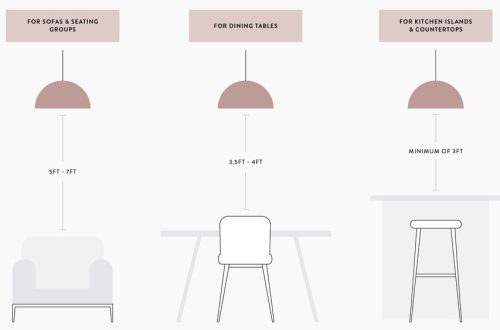
How High Should I Hang A Pendant Light?
Hang the pendant light 28 to 34 inches above the countertop or table. This height balances style and functionality for most spaces.
Can I Install A Pendant Light Myself?
Yes, with basic electrical knowledge, you can install a pendant light safely. Always turn off power and follow instructions carefully.
What Type Of Bulb Works Best For Pendant Lights?
Use LED bulbs for energy efficiency and long life. Choose warm white bulbs for cozy ambiance and bright white for task lighting.
Conclusion
Adding a pendant light can brighten any room easily. Choose the right style and size for your space. Turn off power before starting to stay safe. Follow each step carefully for best results. A new light changes the room’s look instantly.
Enjoy the warm glow and stylish touch. Small changes make a big difference in home decor. Try this simple upgrade to refresh your space today.