Hanging a pendant light on a sloped ceiling might seem tricky at first. You want your space to look stylish and well-lit, but the angle can make it hard to install the light just right.
Don’t worry—you’re about to learn simple steps that will help you tackle this challenge with confidence. By the end of this guide, you’ll know exactly how to hang your pendant light so it hangs straight and shines beautifully. Ready to transform your room?
Let’s get started!
Choosing The Right Pendant Light
Choosing the right pendant light is key for a sloped ceiling. The fixture must hang safely and look good. It should also fit the room size and style. This guide helps pick the best pendant for your ceiling angle and space.
Selecting Suitable Fixtures
Choose fixtures designed for sloped ceilings. These pendants have adjustable canopies or swivel hooks. They hang straight despite the slope. Avoid lights that only hang straight down. They may tilt or hang unevenly.
Considering Weight And Size
Check the pendant’s weight before buying. Heavy lights need strong ceiling support. Small rooms suit smaller pendants. Big rooms allow larger or multiple lights. Balance size with ceiling height and room space.
Style And Design Options
Pick a style that matches your room decor. Modern, rustic, or classic designs work well. Clear glass or open fixtures spread light broadly. Solid shades focus light downward. Choose designs that fit your taste and lighting needs.
Tools And Materials Needed
Hanging a pendant light on a sloped ceiling needs the right tools and materials. Using proper equipment makes the job easier and safer. Before starting, gather all items to avoid interruptions.
Essential Tools List
- Drill with various drill bits
- Screwdriver (Phillips and flathead)
- Wire strippers
- Voltage tester
- Measuring tape
- Level
- Pliers
- Ladder or step stool
Safety Gear
- Safety goggles to protect eyes
- Work gloves for hand protection
- Dust mask to avoid inhaling dust
- Non-slip shoes for stable footing
Additional Supplies
- Pendant light fixture with adjustable canopy
- Mounting bracket or swivel adapter
- Wire nuts or connectors
- Electrical tape
- Light bulbs suitable for the fixture
Preparing The Ceiling
Preparing the ceiling is the first step to hang a pendant light on a sloped ceiling. It ensures the fixture is safe and stable. Take time to check everything carefully before installation. This helps avoid problems later and keeps your new light secure.
Locating Ceiling Joists
Ceiling joists hold the weight of your pendant light. Use a stud finder to locate them. Joists run across the ceiling and provide strong support. Mark their position clearly with a pencil. Hanging the light from a joist prevents damage and keeps it steady.
Checking Electrical Wiring
Turn off the power before touching any wires. Use a voltage tester to confirm no current flows. Check the wiring condition inside the ceiling box. Look for frayed or old wires that may need repair. Proper wiring is essential for safety and proper light function.
Marking The Installation Spot
Pick the exact spot to hang your pendant light. Use a pencil to mark the ceiling at the center point. Double-check the position relative to the room layout. Ensure the spot aligns well with furniture and room shape. Accurate marking makes the installation smooth and neat.
Mounting On A Sloped Ceiling
Mounting a pendant light on a sloped ceiling needs special care. The angle of the ceiling can make the fixture hang unevenly. Proper mounting ensures the light looks good and stays safe. Follow these steps for a secure and attractive setup.
Using An Adjustable Mounting Bracket
Start with an adjustable mounting bracket. This bracket fits different ceiling angles. It allows the fixture to hang straight, no matter the slope. Choose a bracket that matches your pendant light’s weight. Attach the bracket firmly to the ceiling joist. This gives strong support for the light.
Ensuring Proper Alignment
Check the alignment before finalizing the mount. The pendant should hang straight down, not at an angle. Use a level to check the fixture’s position. Adjust the bracket or chain length to fix any tilt. Proper alignment improves both look and function.
Securing The Fixture
Secure the pendant light tightly to the bracket. Use the screws and hardware that come with the fixture. Double-check all connections for safety. Make sure the wiring is neat and safe inside the ceiling box. A well-secured light prevents accidents and damage.
Wiring The Pendant Light
Wiring a pendant light on a sloped ceiling needs care and attention. Proper wiring ensures the light works safely and efficiently. Follow clear steps to connect the wires and test the fixture.
Turning Off Power Safely
Start by turning off the power at the circuit breaker. Check the light switch to confirm the power is off. Use a voltage tester to be sure no electricity flows. Safety is the top priority during wiring.
Connecting Wires Correctly
Match the wires from the pendant light to those in the ceiling. Connect black to black (hot), white to white (neutral), and green or bare copper to ground. Use wire nuts to secure each connection tightly. Wrap connections with electrical tape for extra safety.
Testing The Connection
Turn the power back on at the breaker. Switch on the light to see if it works. If the light does not turn on, turn off power and check connections again. A properly wired pendant light will shine bright and steady.
Adjusting The Pendant Height
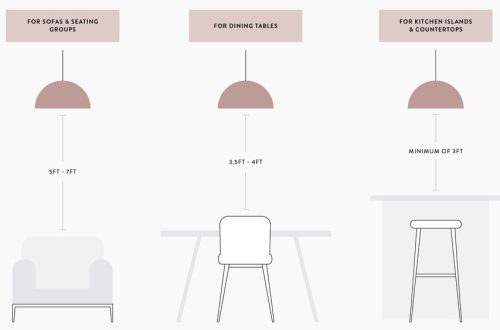
Adjusting the pendant height is key to a perfect look on a sloped ceiling. The right height makes the light functional and stylish. It also prevents the light from hanging too low or too high. This step needs careful attention to fit the room and ceiling angle.
Measuring Drop Length
Start by measuring the drop length from the ceiling to the desired height. Use a tape measure for accuracy. Measure at the lowest point of the slope. This ensures the pendant won’t hang too low. Mark the length on the cord or rod before installation.
Using Extension Rods Or Cords
Extension rods or cords help adjust the pendant height easily. Choose the right length to match your measurement. Rods offer a firm, straight drop. Cords give more flexibility and can be adjusted later. Secure the extension tightly to avoid wobbling or slipping.
Achieving Balanced Placement
Balance the pendant to hang straight despite the slope. Use a swivel or adjustable canopy designed for angled ceilings. Check the light position from different angles. Adjust until the pendant looks level and centered over the space. A balanced light adds harmony to the room’s look.
Troubleshooting Common Issues
Hanging a pendant light on a sloped ceiling can bring charm and style to any room. Sometimes, issues may arise during or after installation. These problems can affect the look and safety of your fixture. Knowing how to fix common problems will save time and stress. Below are simple solutions to frequent issues with pendant lights on sloped ceilings.
Fixing Wobbly Fixtures
A loose fixture can swing or tilt. Check the mounting bracket and screws first. Tighten all screws firmly to secure the fixture. Use a level to ensure the fixture hangs straight. If the fixture still wobbles, add padding between the mounting plate and ceiling. This creates a tighter fit. Make sure the fixture’s chain or rod is the right length. Adjust it to keep the light stable.
Dealing With Uneven Lighting
Uneven light can make a room look dull. Start by checking the bulb wattage. Use bulbs with the same wattage and type. Position the pendant so it hangs at the right height. Hanging too high or low can cause shadows. Consider using bulbs with wider beams for better coverage. Reflective surfaces near the light also affect brightness. Adjust the light angle to spread illumination evenly.
Addressing Wiring Problems
Wiring issues can be dangerous. Turn off the power before working on electrical parts. Check for loose wire connections inside the ceiling box. Secure all wire nuts tightly. Look for damaged or frayed wires. Replace any damaged wiring immediately. Use a voltage tester to confirm power is off before touching wires. If unsure, consult a professional electrician to avoid risks.
Maintaining Your Pendant Light
Maintaining your pendant light on a sloped ceiling keeps it safe and looking great. Regular care helps your light last longer and work well. This section shares simple tips for cleaning, replacing bulbs, and checking your fixture often.
Cleaning Tips
Turn off the light and let it cool before cleaning. Use a soft cloth to wipe dust from the shade and fixture. Avoid harsh chemicals that can damage the finish. For glass shades, use warm soapy water and dry carefully. Clean your pendant light every few weeks to keep it bright.
Replacing Bulbs Safely
Switch off the power before changing any bulbs. Use a sturdy ladder or step stool for stability. Choose bulbs that match the light’s recommended wattage and type. Handle bulbs gently to avoid breaking. Check that the bulb is secure before turning the light back on.
Regular Inspection
Look over the pendant light and its wiring once a month. Check the cord or chain for signs of wear or damage. Tighten any loose screws or parts carefully. Make sure the fixture hangs straight and stable on the sloped ceiling. Early fixes prevent bigger problems later.
Frequently Asked Questions
How Do You Hang A Pendant Light On A Sloped Ceiling?
Use an adjustable swivel or angled ceiling mount designed for sloped ceilings. This allows the pendant to hang straight down despite the ceiling angle.
What Tools Are Needed To Install Pendant Lights On Slopes?
You’ll need a drill, screwdriver, wire strippers, voltage tester, and an adjustable ceiling mount for slope compatibility.
Can Any Pendant Light Work On A Sloped Ceiling?
No, choose pendants with adjustable cords and swivel mounts to accommodate the ceiling angle effectively.
How To Ensure Pendant Light Hangs Straight On A Sloped Ceiling?
Use a swivel or pivot mounting bracket that adjusts to the ceiling pitch, keeping the light vertical.
Conclusion
Hanging a pendant light on a sloped ceiling is easier than it seems. Careful measuring and the right tools make a big difference. Choose a fixture with an adjustable cord or chain for best results. Secure the mounting bracket firmly to avoid any accidents.
Take your time to connect the wiring safely. A well-hung pendant light adds style and good lighting to any room. Now, your sloped ceiling can shine with a beautiful new light. Enjoy your brighter, more inviting space.