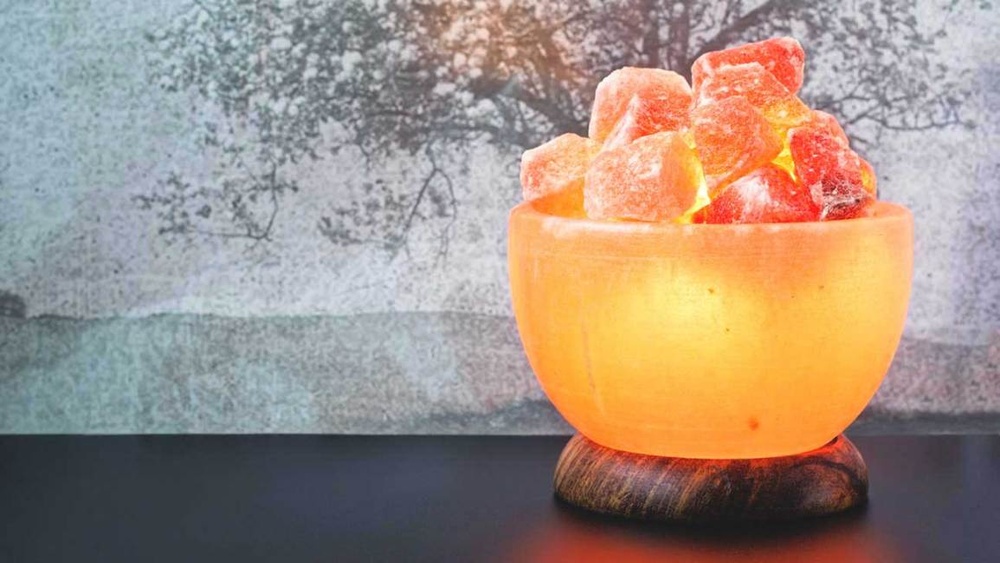
Have you ever wondered if Himalayan salt lamps really live up to the hype? You’ve probably seen them glowing softly in homes and offices, touted as natural air purifiers and mood boosters.
But what is the truth behind these beautiful pink crystals? Are they just a trendy decoration, or do they offer real health benefits? You’ll discover the facts you need to know before bringing a Himalayan salt lamp into your space.
Keep reading to uncover the surprising reality and make an informed choice for your home and well-being.
Origins Of Himalayan Salt Lamps
Himalayan salt lamps have become popular in homes worldwide. Their warm, pink glow creates a calming atmosphere. Understanding their origins helps us appreciate their unique charm. These lamps come from ancient salt deposits found deep in the mountains. Their story begins millions of years ago, carved by natural forces and used by local communities in special ways.
Geological Formation
Himalayan salt lamps are made from salt mined in the Khewra Salt Mine. This mine lies in the Himalayan Mountains of Pakistan. The salt formed over 250 million years ago. It came from ancient seas that evaporated under strong sunlight. Layers of salt mixed with minerals like iron gave the salt its pink color. Over time, the salt compressed into large deposits. Miners carefully extract blocks of this salt for making lamps.
Traditional Uses
Local people have used Himalayan salt for centuries. They used it for cooking and preserving food. Salt was also valued for its healing properties. Some believed it could purify the air and improve health. Salt blocks served as natural water filters. The unique salt crystals became part of cultural rituals. Today, these traditional uses inspire the modern salt lamp designs. Many still see salt lamps as more than just decoration.
Credit: blog.carsontahoe.com
Common Claims About Himalayan Salt Lamps
Himalayan salt lamps have gained popularity for many reasons. People believe they offer several benefits. These claims attract many buyers. Understanding what they say helps us see the truth better.
Air Purification
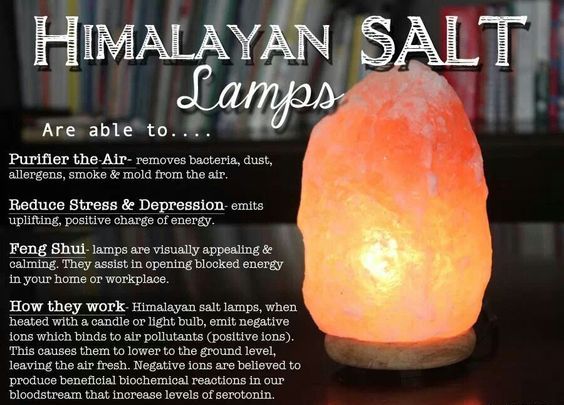
Many claim salt lamps clean the air. They say lamps release negative ions. These ions supposedly remove dust and allergens. Some users believe this helps breathing. Scientific proof for this is very limited. The lamps do not replace air purifiers. They may have a small effect but not enough to purify a room.
Mood Enhancement
Salt lamps are thought to improve mood. The soft glow creates a calm atmosphere. This light can help reduce stress. Some people feel relaxed near the lamp. The warm color soothes the eyes. This may help with sleep at night. The lamp’s gentle light may boost mood naturally.
Health Benefits
Claims include improved health and less illness. Some say salt lamps reduce allergy symptoms. Others believe they help with asthma. There is no strong evidence to support these ideas. Using lamps is safe but not a cure. They should not replace medical treatment. Health benefits mostly come from the calming light, not the salt.
Scientific Evidence And Research
Himalayan salt lamps are popular for their warm glow and supposed health benefits. Many people believe these lamps improve air quality and mood. Scientific research helps us understand what is true and what is not. Let’s explore studies about their effects on air, mind, and health risks.
Studies On Air Ionization
Some claim salt lamps release negative ions, which clean the air. Negative ions can attach to dust and allergens. Research shows salt lamps produce very few ions. The amount is much lower than natural sources like waterfalls. This suggests salt lamps have little effect on air quality.
Impact On Mental Health
Salt lamps are said to reduce stress and improve mood. Few scientific studies test these claims. Some small studies link soft light to relaxation. The warm glow may create a calm atmosphere. This can help people feel better, but it is not unique to salt lamps.
Health Risk Assessments
Salt lamps are generally safe to use. Some risks include electrical hazards if lamps are faulty. The salt may attract moisture, causing damage to surfaces. People with salt allergies should be cautious. Overall, no serious health risks come from salt lamps.
Credit: www.webmd.com
Myths Debunked
Himalayan salt lamps have gained popularity as decorative items and wellness tools. Many claims surround their benefits. Some are true, but many are myths. Let’s clear up the confusion and debunk common myths.
Overstated Health Effects
Salt lamps are often said to cure many illnesses. Claims include detoxifying the body and improving breathing. Science does not support these statements. Salt lamps mainly serve as light sources. Their health benefits are minimal or unproven.
Misconceptions About Negative Ions
Many believe salt lamps release negative ions. Negative ions are said to boost mood and energy. Studies show salt lamps emit very few negative ions. Natural sources like waterfalls create far more ions. The ion effect of salt lamps is too weak to matter.
False Claims On Allergy Relief
People with allergies hope salt lamps will help. Some claim salt lamps reduce dust and allergens in the air. No strong evidence supports this idea. Salt lamps do not filter air or remove allergens effectively. Allergy sufferers should rely on proven methods instead.
Real Benefits And Practical Uses
Himalayan salt lamps have gained popularity for their unique look and claimed health benefits. Understanding their real benefits and practical uses helps you decide if they suit your space. These lamps offer more than just decoration. They can create a calm and cozy atmosphere while being safe and easy to use.
Ambient Lighting And Aesthetics
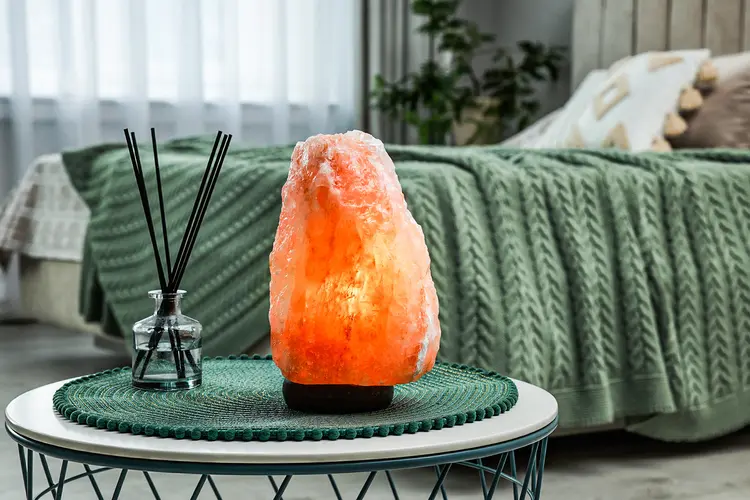
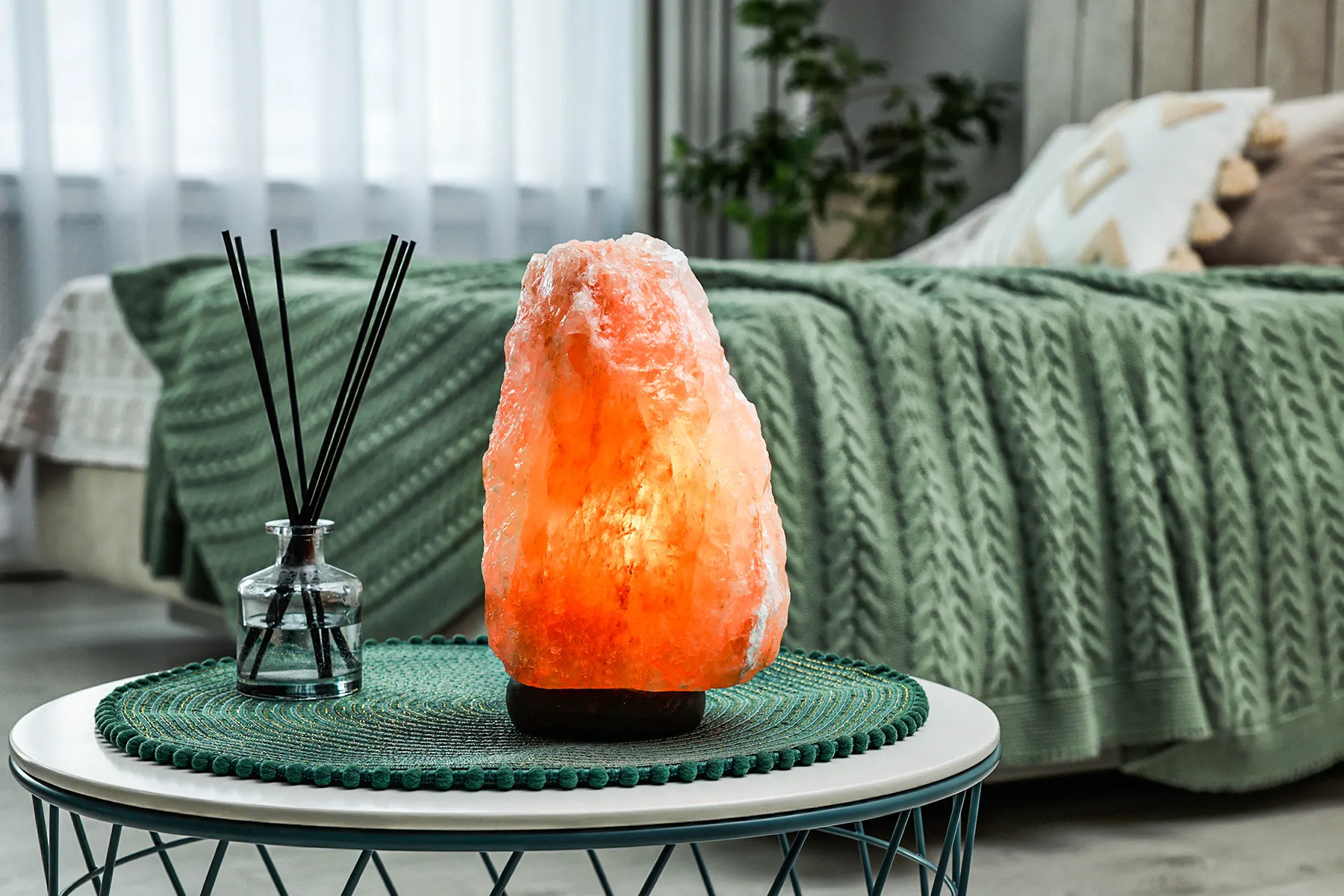
Salt lamps emit a soft, warm glow that adds charm to any room. Their natural pink and orange hues create a soothing environment. Perfect for bedrooms, living rooms, or offices, they help reduce harsh lighting. The lamps also work as a stylish decoration piece. They blend well with many interior designs.
Potential Relaxation Effects
Many users find salt lamps calming and relaxing. The warm light can help reduce stress and improve mood. Some believe the lamps improve air quality by releasing negative ions, but scientific proof is limited. Even without strong evidence, the gentle light encourages relaxation and mindfulness. Ideal for quiet moments or meditation.
Safe Usage Tips
Always place your salt lamp on a stable surface to prevent tipping. Use the correct bulb wattage to avoid overheating. Keep the lamp away from water or humid areas to prevent damage. Turn off the lamp when not in use for safety and energy saving. Regularly clean the lamp with a dry cloth to keep it looking fresh.
How To Choose Authentic Himalayan Salt Lamps
Choosing an authentic Himalayan salt lamp can be tricky. Many products claim to be real but are not. Knowing how to spot genuine lamps helps you get the benefits you want. This guide explains how to find authentic Himalayan salt lamps.
Focus on quality and origin. Real lamps come from specific regions and have unique features. Learning these details makes your purchase safer and smarter.
Identifying Genuine Products
Authentic Himalayan salt lamps come from the Khewra Salt Mine in Pakistan. They have a natural pink or orange color. The texture feels rough, not smooth or shiny like plastic. Genuine lamps are heavy for their size. They often have a warm glow when lit.
Look for natural variations in color and shape. Each lamp should look unique. Real salt lamps may have small cracks or mineral spots. These signs show the lamp is natural and not man-made.
Avoiding Low-quality Imitations
Fake salt lamps often use colored rock salt or dyed materials. These lamps feel light and may look too perfect. Avoid lamps with bright, uniform colors or glossy finishes. Low-quality lamps do not emit a warm, soft light.
Check the price. Very cheap lamps usually mean poor quality. Also, be careful with sellers who cannot provide details about the salt source. Trust only brands with clear information about their products.
Credit: www.webmd.com
Frequently Asked Questions
What Are Himalayan Salt Lamps Made Of?
Himalayan salt lamps are made from natural pink salt crystals. They come from salt mines in the Himalayan region. These lamps are hollowed to fit a light bulb inside. The salt’s mineral content gives them their distinct pink-orange glow.
Do Himalayan Salt Lamps Purify The Air?
Himalayan salt lamps may slightly improve air quality by releasing negative ions. However, scientific evidence supporting significant air purification is limited. They can help reduce dust and allergens but should not replace standard air purifiers.
Can Himalayan Salt Lamps Improve Mood And Sleep?
Some users report better mood and sleep with salt lamps. The warm glow creates a calming atmosphere, which may reduce stress. However, scientific proof of direct health benefits remains inconclusive.
How To Maintain A Himalayan Salt Lamp Properly?
Keep your salt lamp dry and away from moisture. Wipe it gently with a dry cloth to remove dust. Use the lamp regularly to prevent salt from absorbing too much humidity.
Conclusion
Himalayan salt lamps offer a warm, cozy glow for any space. They may not cure illnesses or purify air completely. Many enjoy them for their soft light and calming feel. Science has not proven all health claims made about these lamps.
Still, they can add a nice touch to your room. Choose a lamp that fits your style and needs. Use it safely and enjoy the gentle light it gives. Simple, natural beauty can brighten your day quietly.