Decorating an asymmetrical bedroom can feel tricky, but it doesn’t have to be. You might look at uneven walls or odd angles and wonder how to make the space look balanced and inviting.
The good news is, with the right tips and tricks, you can turn those quirks into your room’s best features. Imagine walking into your bedroom and feeling calm, comfortable, and proud of how stylish it looks—even if it’s not perfectly shaped.
Ready to discover how to make your unique space shine? Keep reading, and you’ll find easy ideas that work for your one-of-a-kind bedroom.
Assess The Room Layout
Assessing the layout of an asymmetrical bedroom is the first step in decorating it well. This step helps you understand the room’s unique shape and how to use its space smartly. Taking time to study the layout makes decorating easier and more effective.
Identify Focal Points
Look for areas in the room that naturally draw attention. It could be a large window, a fireplace, or an interesting wall texture. These spots can act as anchors for your design. Placing furniture or art near these points balances the room visually.
Use the focal points to guide your layout. Position key pieces like the bed or dresser close to these spots. This helps create harmony despite the room’s uneven shape.
Measure And Map The Space
Measure every wall, corner, and nook carefully. Write down the exact lengths and widths. Include doors, windows, and any built-in features. This detailed map will be your guide when choosing furniture and decor.
Sketch the room on paper or use a digital tool. Mark where outlets and vents are located. Knowing the space limits helps you avoid overcrowding or leaving empty areas.
Understanding the room’s size and shape makes it easier to create a balanced, functional design.
Choose A Balanced Color Scheme
Choosing a balanced color scheme is key for decorating an asymmetrical bedroom. Colors can help create harmony and make the space feel more even. With the right colors, you can draw attention away from odd shapes and focus on beauty.
A well-chosen palette brings calm and style. It makes the room inviting and comfortable. Use colors that work well together to balance the different parts of the room. Here are two ways to do this.
Use Complementary Colors
Complementary colors are opposite each other on the color wheel. They create contrast and balance. For example, blue and orange or green and red work well together. Use one color on larger surfaces like walls. Use the other for smaller details like pillows or curtains. This approach helps balance the room visually. It prevents one side from feeling heavier or too dark.
Incorporate Accent Hues
Accent hues add pops of color that bring life to the room. Choose a neutral base color for walls and floors. Add bright or warm accent colors in small amounts. Use these on lamps, rugs, or artwork. Accent hues help guide the eye and soften awkward shapes. They create a flow that leads through the room. This technique improves balance and adds personality.
Select Furniture Strategically
Choosing the right furniture is key to decorating an asymmetrical bedroom. It helps the room feel comfortable and stylish. The goal is to work with the room’s shape, not fight against it. Careful selection creates a sense of harmony and function.
Focus on pieces that fit the space and add character. Think about size, shape, and placement. Each item should serve a purpose and enhance the room’s look.
Opt For Asymmetrical Pieces
Select furniture with uneven or unique shapes. These pieces echo the room’s design and feel natural in the space. For example, a sofa with one armrest or a desk with a curved edge fits well. Asymmetrical furniture draws attention and adds interest. It breaks the monotony of regular shapes.
Choose items that do not crowd the room. Keep plenty of open space around each piece. This prevents the room from feeling cluttered or off-balance.
Create Visual Balance
Balance the room by placing furniture thoughtfully. Match larger pieces with smaller ones across the room. For instance, a tall bookshelf on one side can be balanced by a wide dresser on the other.
Use colors and textures to even out the look. Light and dark tones help balance visual weight. Soft fabrics can contrast with hard surfaces to create harmony.
Arrange furniture to guide the eye smoothly around the room. Avoid heavy clusters in one spot. Spread out pieces to create flow and comfort.

Credit: stylebyemilyhenderson.com
Play With Lighting
Lighting changes the feel of an asymmetrical bedroom. It balances uneven spaces and highlights unique shapes. Good lighting makes the room cozy and bright.
Different lights create layers and add depth. They help parts of the room stand out or blend in. Playing with light makes the room look more inviting.
Layer Different Light Sources
Use a mix of lights at different heights. Combine ceiling lights, lamps, and wall sconces. This mix adds warmth and avoids dark corners. Soft lights create a calm mood. Bright lights help with tasks like reading. Layered lighting fixes uneven walls and odd angles.
Use Statement Fixtures
Choose a unique light fixture as a focal point. A bold chandelier or a large pendant lamp works well. Statement lights draw attention to the room’s best features. They add style and personality. Pick fixtures that match your room’s shape and size. This creates balance and interest in the space.
Add Textures And Patterns
Adding textures and patterns can transform an asymmetrical bedroom into a cozy and stylish space. Textures bring depth and interest, while patterns create visual rhythm. Together, they balance the uneven shapes and areas in the room. Use them wisely to make the space inviting and lively without feeling chaotic.
Mix Soft And Hard Textures
Combine soft and hard textures to create contrast and harmony. Soft textures like plush rugs, velvet pillows, and cotton throws add warmth and comfort. Hard textures such as wooden furniture, metal lamps, and ceramic vases offer structure and balance. This mix helps the room feel layered and complete. Touch different materials to find a good balance for your space.
Incorporate Bold Patterns
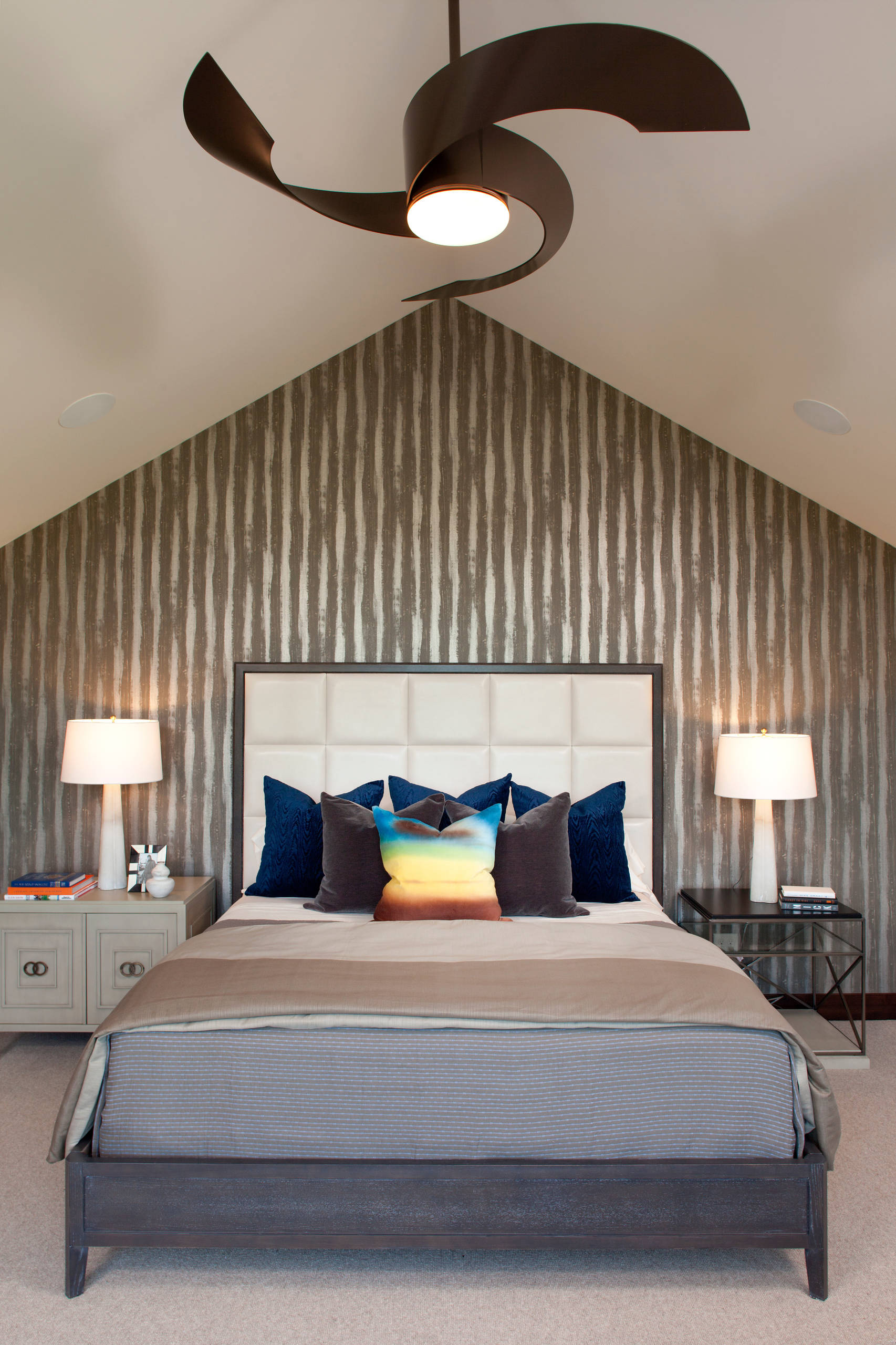
Bold patterns bring excitement and character to an asymmetrical bedroom. Use stripes, florals, or geometric shapes on bedding, curtains, or accent walls. Patterns can guide the eye and create focal points. Choose colors that match your room’s palette to keep the look unified. Play with scale by mixing large and small patterns for added interest.
Credit: www.houzz.com.au
Decorate Walls Creatively
Decorating the walls in an asymmetrical bedroom offers a chance to show creativity. Uneven wall shapes and sizes invite unique ideas. Use this as a chance to make your room feel personal and cozy. Think beyond plain paint or simple frames.
Creative wall decor can balance the room’s odd shapes. It can draw attention to your favorite spots. Use art, shelves, and mirrors to add depth and style. This approach turns the walls into a key design part of your space.
Arrange Art Asymmetrically
Place art pieces in an uneven pattern to match the room’s shape. Use different sizes and styles for interest. Avoid lining up frames in a straight row. Cluster smaller pieces around a larger one. Leave some space between them to keep the look light. This style makes the walls feel lively and fun.
Use Shelves And Mirrors
Shelves add both function and style to uneven walls. Use floating shelves at different heights to create balance. Display plants, books, or small decor items on them. Mirrors reflect light and make the room feel bigger. Choose mirrors with unique shapes to match the room’s design. Hang them in spots that catch natural light for extra brightness.
Utilize Rugs And Flooring
Using rugs and flooring in an asymmetrical bedroom helps bring balance and style. Rugs add warmth and texture. They soften hard floors and create comfort underfoot. Flooring choices set the room’s tone and help unify different shapes.
Choosing the right rugs and flooring can guide how the space feels. They can draw attention away from odd angles and highlight the room’s best parts. Thoughtful placement makes the room look more organized and inviting.
Anchor The Space
Place a large rug under key furniture pieces. This anchors the space and connects items visually. A well-chosen rug grounds a seating area or bed. It helps the eye focus and creates a cozy spot. Choose a rug size that fits the furniture layout well. Avoid rugs that are too small or too big.
Define Zones
Use rugs to mark different areas in the room. In an asymmetrical space, this adds clarity and order. For example, a rug under the bed defines the sleeping zone. Another rug near a reading chair separates a cozy corner. Different textures and colors can highlight each zone. This method breaks up the room without walls. It makes the space feel purposeful and balanced.
Incorporate Personal Touches
Adding personal touches makes an asymmetrical bedroom feel warm and unique. It reflects your style and memories. Personal items can balance the room’s uneven shapes and spaces.
Display Collectibles
Showcase your favorite items on shelves or wall mounts. Small collections like souvenirs, figurines, or books create interest. Place them where they catch the eye but don’t clutter.
Use different heights and group sizes to add depth. This breaks the room’s uneven lines gently. Displaying collectibles gives the room character and a story.
Add Greenery
Plants bring life and freshness to your space. Choose different sizes to fill empty corners or awkward spots. Small pots on nightstands or shelves brighten the room.
Greenery softens harsh edges and adds color. It balances the room’s shape without overwhelming it. Plants also improve air quality and mood.
Maintain Functionality
Maintaining functionality in an asymmetrical bedroom is key to a comfortable space. Odd shapes can make it tricky to use the room well. Focus on practical design that fits the unique layout. Keep the room easy to move in and smartly organized. This way, the room will look good and work well every day.
Ensure Easy Movement
Plan clear paths around the room. Avoid placing big furniture where it blocks walking. Leave enough space to move without bumping into things. Use smaller furniture pieces in tight corners. Arrange the bed and seating so they don’t crowd the space. Keep doorways and windows free from obstacles. This helps the room feel open and comfortable.
Optimize Storage Solutions
Use shelves and storage that fit the room’s shape. Built-in storage can save space in awkward areas. Choose furniture with hidden storage, like beds with drawers. Wall-mounted shelves free up floor space. Keep items organized to avoid clutter. Smart storage makes the room look tidy and easy to use. It also helps balance the uneven walls and corners.
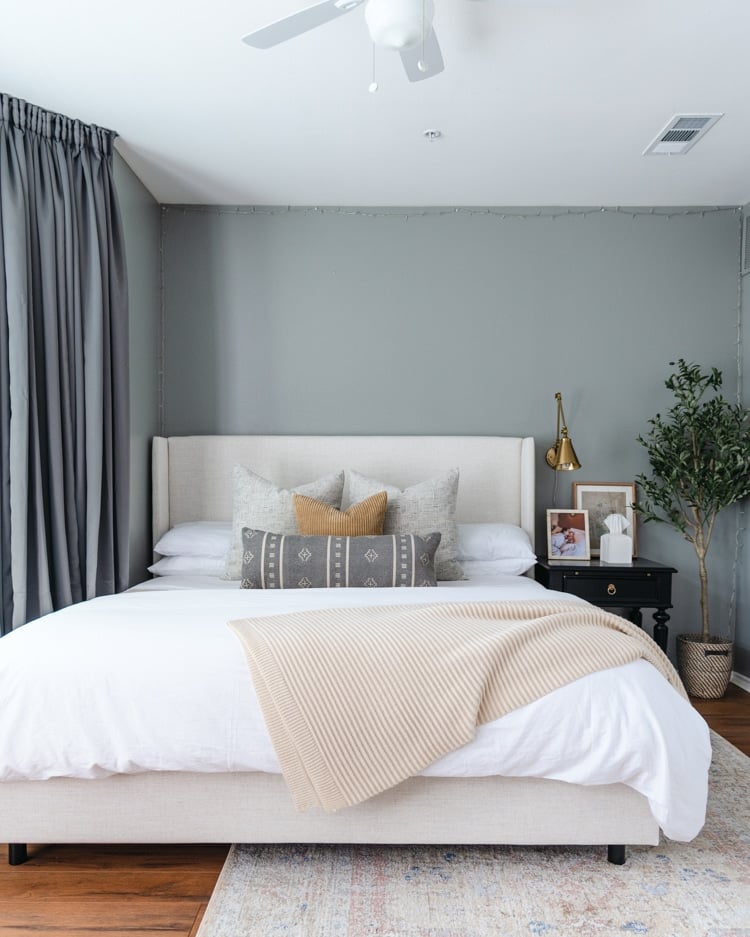
Credit: www.jasminealley.com
Frequently Asked Questions
How Do I Balance An Asymmetrical Bedroom Layout?
To balance an asymmetrical bedroom, use matching colors and textures on opposite walls. Add furniture and decor that complement each other to create visual harmony.
What Furniture Suits An Asymmetrical Bedroom Best?
Choose furniture with clean lines and simple shapes to avoid overwhelming the space. Opt for versatile pieces that can be easily arranged to suit the room’s unique angles.
How Can Lighting Improve An Asymmetrical Bedroom?
Use layered lighting such as ceiling lights, lamps, and wall sconces. This highlights different areas and softens uneven shapes for a cozy, balanced ambiance.
What Wall Decor Works For Asymmetrical Bedrooms?
Select artwork and mirrors of varying sizes and shapes. Arrange them thoughtfully to enhance the room’s flow and distract from irregular wall angles.
Conclusion
Decorating an asymmetrical bedroom can be fun and creative. Use balance and colors to bring harmony. Choose furniture that fits the space well. Add art or mirrors to draw attention. Soft lighting helps create a cozy feel. Small changes make a big difference.
Enjoy making your room unique and comfortable. Your bedroom can look stylish and inviting. Try these tips and see what works best. You have the power to create a space you love.