Choosing the perfect artificial Christmas tree can feel tricky, especially when you want it to look great year after year. You might be wondering, what is the best material for an artificial Christmas tree?
The answer matters because it affects how real your tree looks, how long it lasts, and even how easy it is to set up. You’ll discover which materials stand out and why they could be the best fit for your holiday celebrations.
Keep reading to find the tree that will bring joy and style to your home every Christmas.
Credit: www.homedepot.com
Types Of Artificial Tree Materials
Artificial Christmas trees come in different materials. Each material offers unique looks and feels. Choosing the right one affects how natural your tree appears. It also impacts durability and price. Understanding these materials helps you pick the best tree for your home.
Here are the common types of materials used for artificial Christmas trees.
Pvc Trees
PVC, or polyvinyl chloride, is the most common material. These trees have thin, flat needles. They shine and look plastic-like. PVC trees are usually affordable and lightweight. They are easy to shape and store. They do not look very realistic but fit well in many homes.
Pe Trees
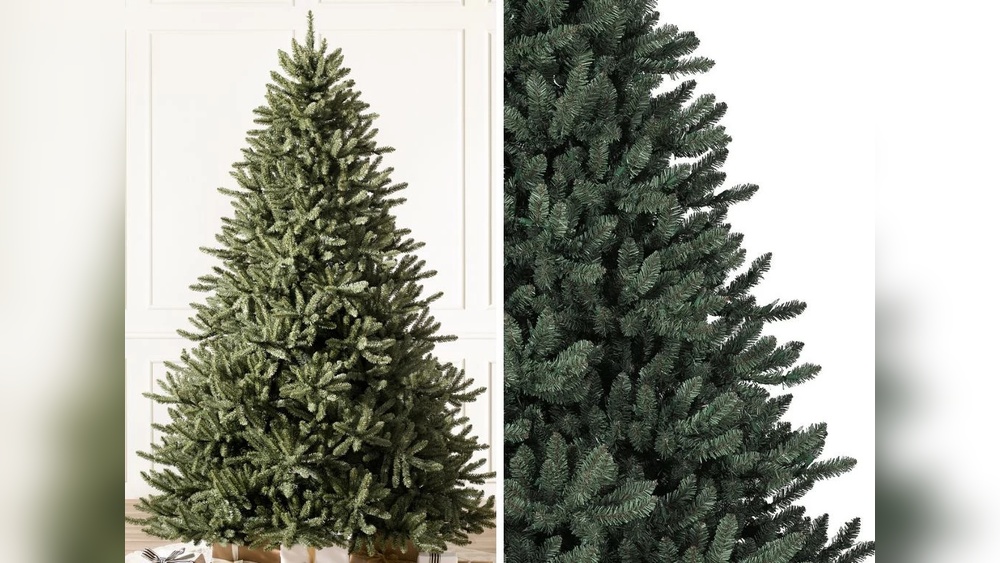
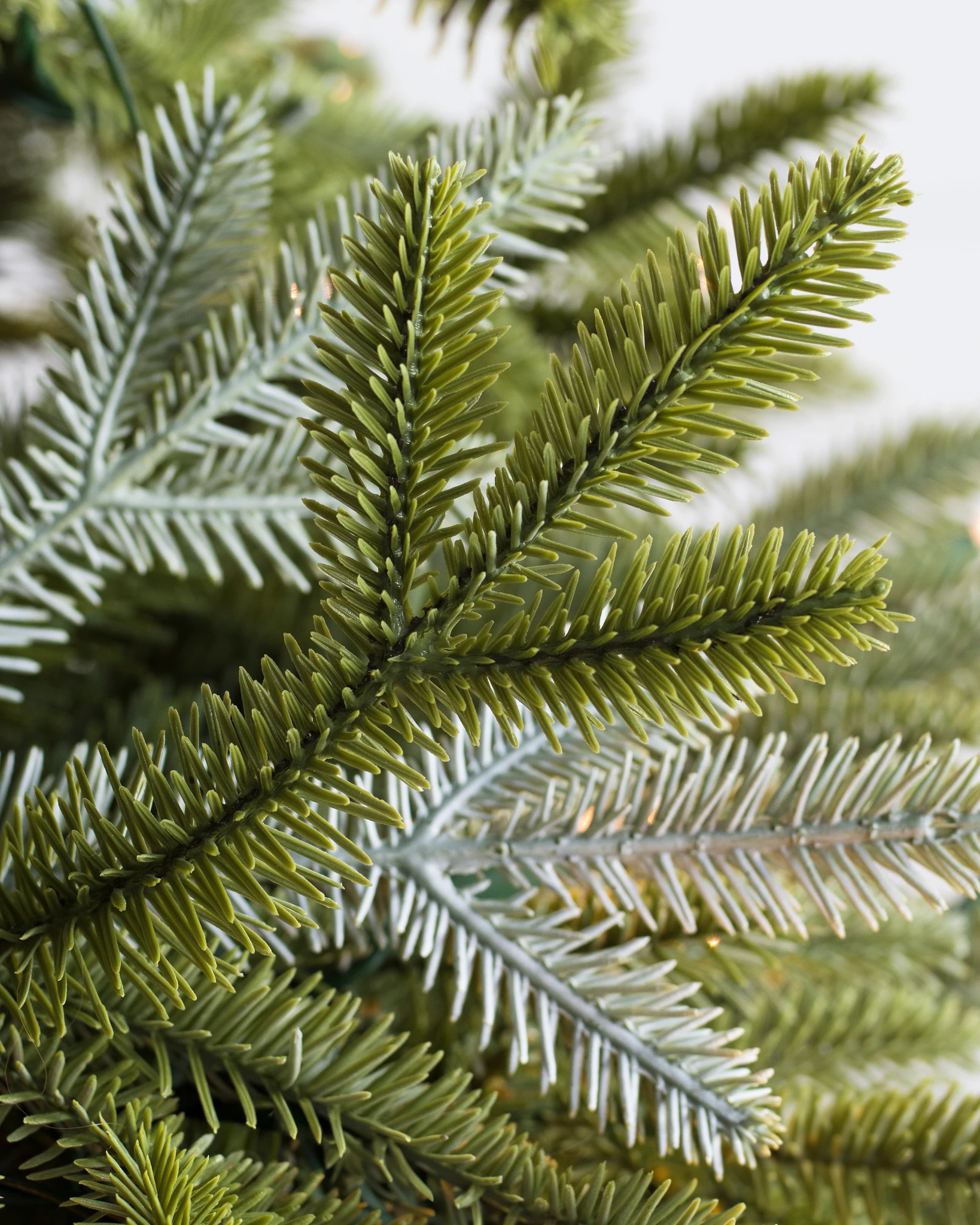
PE stands for polyethylene. These trees use molded branches to mimic real pine needles. The branches have a natural texture and depth. PE trees look more realistic than PVC ones. They are often more expensive but last longer. Many people prefer PE trees for a lifelike Christmas feel.
Mixed Materials
Some trees combine PVC and PE materials. The PE is used for the outer branches to look real. PVC fills the inner parts for support. Mixed trees balance cost and appearance. They offer a good mix of realism and affordability. These trees suit those who want quality without a high price.
Credit: www.balsamhill.com
Appearance And Realism
The look of an artificial Christmas tree matters a lot. It sets the holiday mood. A tree that seems real feels warm and inviting. The best material makes the tree look natural. It matches the beauty of a fresh tree. Details like color, texture, and shape create this effect.
Texture And Color
Texture gives the tree a lifelike touch. Soft and smooth needles feel closer to natural. The color should not be too shiny or dull. Shades of green with hints of brown look real. Some trees mix dark and light green. This adds depth and makes branches seem full.
Branch Design
Branches should spread out like a real tree. They need to hold decorations well. Good branch design looks natural and balanced. Some branches have a slight bend. This mimics the way real branches grow. Strong branches also help keep the tree shape neat.
Needle Shape
Needles come in many shapes and sizes. Thin, pointed needles look like pine tree needles. Flat, wide needles can resemble fir trees. The best needles are soft but firm. They keep their shape without breaking easily. Needle shape affects how the tree feels and looks.
Durability And Longevity
Durability and longevity are key when choosing an artificial Christmas tree. You want a tree that lasts many years without losing its charm. The materials used affect how well the tree stands up to use and storage. This section explores important factors like wear resistance, color fading, and structural strength.
Resistance To Wear
Durable materials resist damage from handling and storage. Trees made from high-quality PVC or PE needles stay intact longer. They do not tear or break easily. This means fewer fallen branches and less need for repair. Resistance to wear keeps the tree looking fresh each season.
Color Fading
Good materials hold their color well over time. Some plastics lose color when exposed to light or air. The best trees use UV-resistant materials that keep their green shade bright. This prevents the tree from looking old or dull after a few years.
Structural Strength
Strong frames support the tree’s shape and decorations. Metal or sturdy plastic poles provide good stability. This helps the tree stand upright without bending or collapsing. A solid structure ensures the tree lasts through many holidays.
Safety Considerations
Safety is very important when choosing an artificial Christmas tree. A safe tree protects your home and family during the holidays. Knowing what materials make a tree safe helps you make a smart choice.
Fire Resistance
Fire resistance means the tree can resist catching fire easily. Many artificial trees use materials treated to slow down flames. This treatment helps prevent accidents near lights or candles. Always check if the tree meets fire safety standards. A fire-resistant tree reduces the risk of a dangerous fire in your home.
Non-toxic Materials
Non-toxic materials keep your home free from harmful chemicals. Some trees use plastics that release dangerous fumes or allergens. Choose trees made from safe, non-toxic plastics to protect children and pets. Non-toxic trees are better for indoor air quality. This choice helps everyone breathe easier and stay healthy during the festive season.
Environmental Impact
Choosing the best material for an artificial Christmas tree affects the environment. Every material has a different impact on nature. Some materials last longer and create less waste. Others may harm the planet more during production or disposal. Understanding these effects helps make better choices for the holiday season.
Recyclability
Recyclability shows how easily a material can return to use. Most artificial trees use plastic parts. Some plastics recycle well, while others do not. PVC, common in trees, is hard to recycle. It often ends up in landfills. Metal frames in trees are easier to recycle. Trees with more metal parts have less waste impact. Checking for recyclable materials can reduce environmental harm.
Sustainability Of Materials
Sustainability means the material renews without harming nature. Some artificial trees use non-renewable plastics. These come from fossil fuels and take years to break down. Others use materials with lower carbon footprints. Metal parts can be recycled many times. Some manufacturers now include recycled plastics. Sustainable materials lower pollution and energy use. Choosing trees with sustainable parts helps protect the planet.
Maintenance And Cleaning
Maintenance and cleaning play a big role in choosing the best material for an artificial Christmas tree. A tree that is easy to clean saves time and effort. Proper care keeps the tree looking fresh and new for many holiday seasons. Understanding how different materials affect cleaning and storage helps make a smart choice.
Ease Of Cleaning
Artificial trees made from PVC are common and easy to clean. You can wipe off dust with a soft cloth. Some trees with PE needles need gentle dusting to avoid damage. Trees with mixed materials often require more care. A quick dust or vacuum with a brush attachment keeps the tree neat. Cleaning regularly prevents dirt build-up and keeps colors bright.
Storage Requirements
Storage space depends on the tree material and design. Trees with sturdy metal branches fold compactly. They fit well in storage boxes or bags. PVC trees are lightweight and do not need much space. PE trees may have thick branches that take up more room. Proper storage in a dry place avoids moisture and mold. Labeling the box helps find the tree easily next year.
Cost And Value
Choosing the best material for an artificial Christmas tree affects both cost and value. Different materials offer unique benefits and prices. Understanding these helps in making a smart purchase. Cost is important, but so is how long the tree lasts and how good it looks year after year.
Price Comparison
Artificial trees come in several materials like PVC, PE, and mixed types. PVC trees are usually the cheapest. They have a plastic look and feel. PE trees cost more because they look more realistic. Mixed material trees fall in between the two. The price also depends on tree size and brand. Simple PVC trees can start under $50. High-quality PE trees often cost over $200. Buyers should balance price with how natural the tree looks.
Long-term Investment
Buying an artificial tree is a long-term decision. A more expensive tree may last many years without damage. Cheaper trees might lose needles or fade quickly. PE trees keep their shape and color longer. They need less replacement or repair. This saves money in the long run. A sturdy tree also holds decorations better. Spending more upfront can mean better value over time. Consider how often you use the tree each year. A durable tree makes sense for frequent use.

Credit: www.inspirationswholesale.co.uk
Choosing The Right Material For Your Needs
Choosing the right material for your artificial Christmas tree matters. It affects how the tree looks, feels, and lasts. Each material offers different benefits. Think about what matters most for your holiday setup. This helps pick a tree that fits your needs perfectly.
Budget Considerations
Artificial Christmas trees come in many price ranges. Some materials cost less and still look good. PVC trees are common and affordable. They suit many budgets and last several years. More expensive options, like PE trees, offer better realism. Set a budget before shopping to narrow choices. This avoids spending too much or getting low-quality trees.
Aesthetic Preferences
The tree’s look depends on its material. PVC needles are shiny and flexible but may look plastic. PE needles have a natural shape and texture. They provide a fuller, more realistic appearance. Some trees mix materials for a balanced look. Consider how real or artificial you want the tree to appear. Also, think about color and branch style that fit your decor.
Space And Size Factors
Space affects the tree size you choose. Materials influence how heavy or light the tree is. PVC trees tend to be lighter and easier to move. PE trees can be heavier but sturdier. Measure your room before picking a tree size. Consider ceiling height and room layout. Some materials allow easier assembly and storage, important for small spaces.
Frequently Asked Questions
What Materials Are Used In Artificial Christmas Trees?
Artificial Christmas trees mainly use PVC, PE, or a combination. PVC is affordable and flexible. PE offers a more realistic look. Some trees blend both for durability and natural appearance. Each material has unique benefits depending on your preferences and budget.
Why Is Pe Better Than Pvc For Christmas Trees?
PE (Polyethylene) offers a lifelike appearance with textured needles. It’s thicker and more durable than PVC. PE trees look fuller and more natural. However, they often cost more. Choose PE if you prioritize realism and long-term use.
How Does Material Affect Artificial Christmas Tree Longevity?
Material quality directly impacts tree lifespan. PVC trees are less durable but budget-friendly. PE trees resist wear better and last longer. Mixed-material trees balance appearance and durability. Proper care can extend any tree’s lifespan regardless of material.
Are There Eco-friendly Materials For Artificial Christmas Trees?
Most artificial trees use plastic materials like PVC and PE, which aren’t biodegradable. Some manufacturers now offer recycled or recyclable options. Choosing a reusable artificial tree reduces waste over time. Look for brands that prioritize sustainability and eco-friendly production.
Conclusion
Choosing the best material for an artificial Christmas tree depends on your needs. PVC trees are common and affordable. PE trees look more real but cost more. Consider durability, look, and budget. A good tree lasts many years. Think about storage space too.
The right material helps create a warm holiday mood. Enjoy decorating your tree and the festive season.