Are you wondering how far your pendant lights should be spaced? Getting the distance just right can completely change the look and feel of your room.
Too close, and your space might feel crowded; too far, and you could end up with uneven lighting or dark spots. You’ll discover simple tips and smart guidelines to help you position your pendant lights perfectly. By the end, you’ll have the confidence to brighten your space beautifully and make every corner shine.
Keep reading to unlock the secret to stunning lighting!
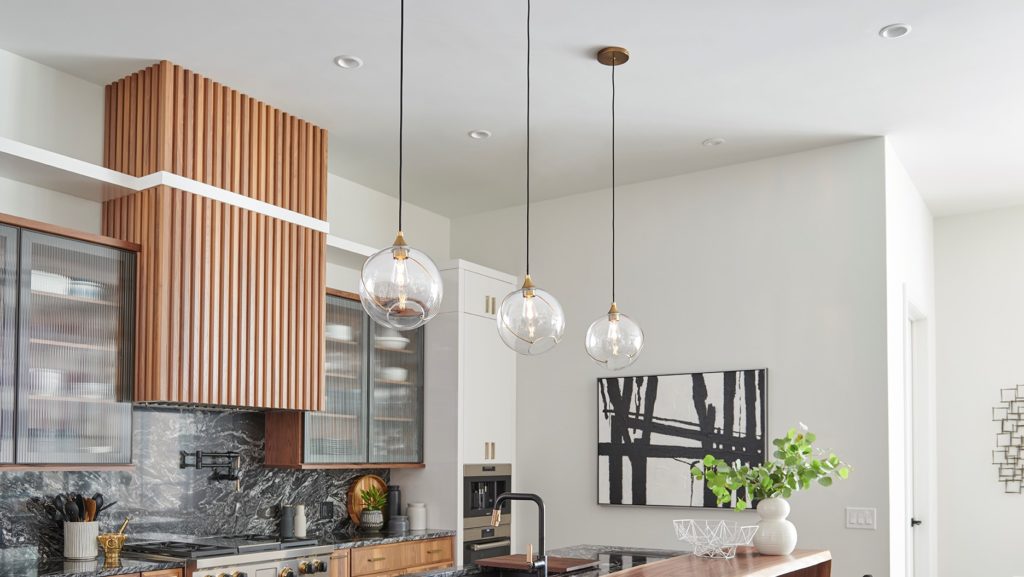
Credit: www.1800lighting.com
Ideal Distance Between Pendant Lights
Choosing the right distance between pendant lights is key for good lighting and style. Too close, and the space feels crowded. Too far, and the light may be uneven. Understanding the ideal distance helps create balance and function in any room.
Standard Spacing Guidelines
Place pendant lights about 24 to 30 inches apart. This distance fits most kitchens and dining areas. It allows light to spread evenly. The spacing also keeps the fixtures from overlapping visually. It works well for small to medium-sized pendants.
Adjusting Distance For Light Size
Bigger pendants need more space between them. Leave at least 30 to 36 inches apart for large fixtures. Small pendants can be closer, around 20 to 24 inches. Adjust spacing based on the light size to avoid clutter and shadows.
Considering Ceiling Height
Taller ceilings allow wider spacing between lights. For high ceilings, increase distance by a few inches. Lower ceilings call for closer pendant placement. This keeps light focused where it is needed most. Measure ceiling height before deciding on spacing.

Credit: plankandpillow.com
Spacing For Different Room Types
Choosing the right distance between pendant lights depends on the room. Different rooms need different spacing for balance and function. Proper spacing helps light spread evenly and looks good. It also avoids shadows and glare. Below are guidelines for spacing pendant lights in common rooms.
Kitchen Islands
Pendants over kitchen islands should be spaced evenly. Keep 24 to 30 inches between each light. This distance gives enough light and looks neat. Hang lights about 30 to 36 inches above the island surface. This height avoids blocking views and allows easy movement.
Dining Areas
Place pendant lights about 28 to 34 inches above the dining table. This height lights the table well without shining in eyes. Space lights 24 to 30 inches apart if using multiple pendants. This distance creates a cozy, balanced feel for meals and gatherings.
Living Rooms And Hallways
Pendants in living rooms and hallways need more space. Place them at least 36 to 42 inches apart. This spacing prevents the area from feeling crowded. Hang lights high enough to avoid head bumps—about 7 feet from the floor. Proper spacing helps these rooms stay bright and open.
Factors Influencing Pendant Light Placement
Pendant light placement depends on several key factors. Proper spacing ensures the room looks balanced and the lighting works well. Consider light strength, room size, and the mood you want to create. These elements help decide how far apart pendant lights should hang.
Light Intensity And Coverage
The brightness of each pendant affects its spacing. Stronger lights can be placed farther apart. Weaker bulbs need closer placement for even lighting. Think about how much light you want in the area. This helps avoid dark spots or glare.
Room Size And Shape
Large rooms need more pendant lights with wider spacing. Smaller rooms require fewer lights placed closer together. The room’s shape matters too. Narrow spaces benefit from a straight line of pendants. Square rooms may look better with evenly spread lights.
Purpose And Ambiance
Use pendant lights for task lighting or mood setting. For work areas, place lights closer for focused brightness. For relaxing spaces, space pendants wider for soft, even light. The lighting style influences how far apart lights should hang.
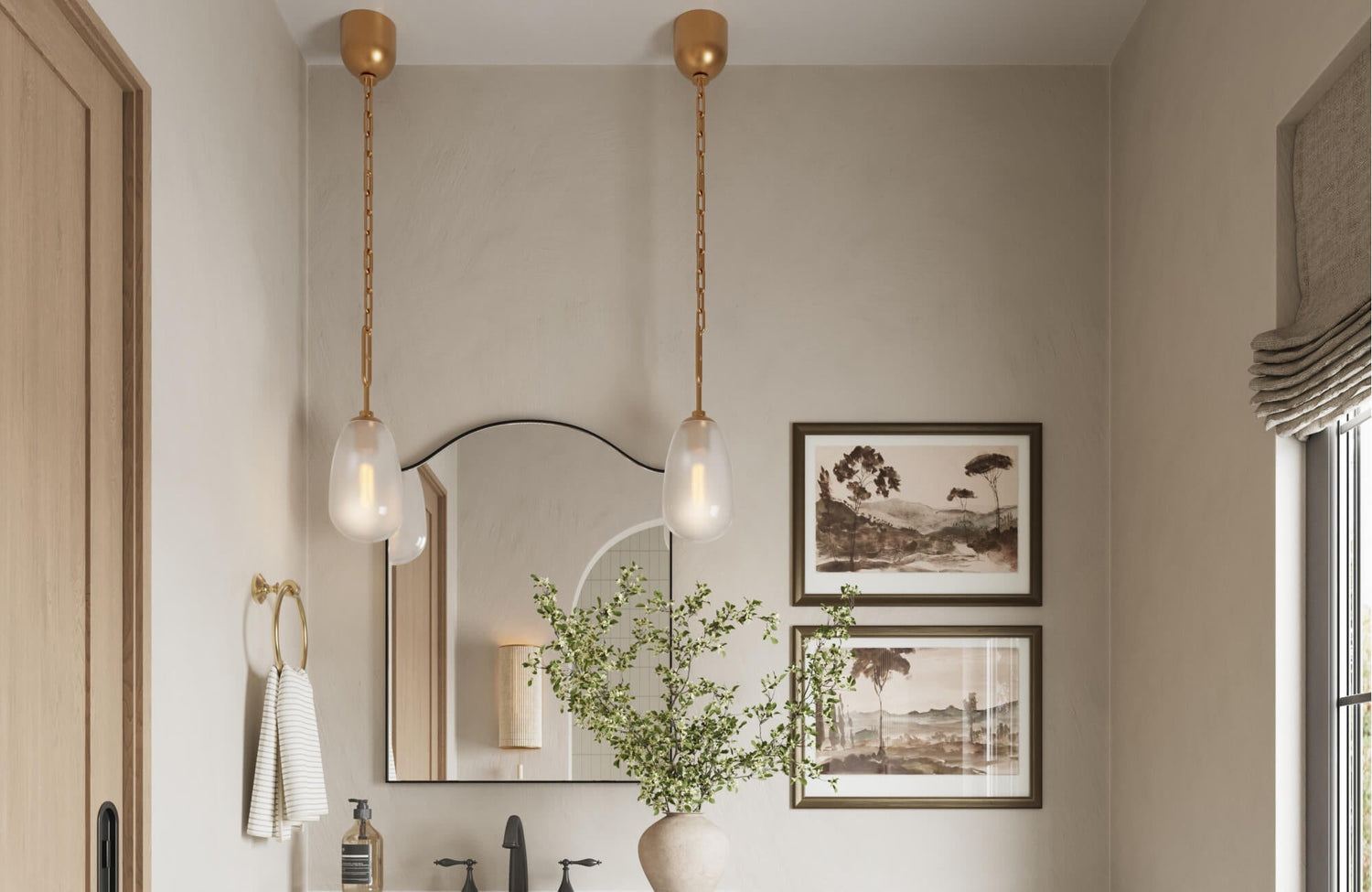
Credit: www.edwardmartin.com
Common Spacing Mistakes To Avoid
Choosing the right distance between pendant lights is important. Many people make mistakes that affect both look and function. Avoiding these common spacing errors can help create a balanced, beautiful space.
Overcrowding Lights
Too many pendant lights close together create clutter. This blocks light and makes the area feel crowded. Each light needs its own space to shine. Leave enough gap to avoid a heavy, busy look.
Uneven Spacing
Uneven gaps between pendant lights look messy. It breaks the flow and draws attention for the wrong reasons. Keep the spacing consistent. This gives a neat and organized appearance.
Ignoring Furniture Layout
Pendant lights should match the furniture below. Lights too far or too close to tables or islands feel off. Measure the furniture size and place pendants accordingly. This enhances both style and function.
Tips For Customizing Pendant Light Spacing
Customizing the space between pendant lights helps create the perfect look and feel. It balances brightness and style in any room. Adjusting the spacing lets you fit lights to your space and needs. Here are some practical tips to help you customize pendant light spacing easily.
Using Adjustable Fixtures
Adjustable fixtures let you change the height and position of lights. You can raise or lower each pendant to suit the room size. This flexibility helps highlight specific areas or create a cozy mood. Adjustable fixtures also work well over kitchen islands or dining tables.
Combining Multiple Light Sources
Mix pendant lights with other lighting types like recessed lights or sconces. This mix adds depth and even light coverage. It prevents dark spots and reduces glare from just one light source. Combining lights gives you control over brightness and atmosphere.
Consulting Professional Designers
Professional designers understand lighting and space well. They can suggest the best spacing for your room and style. Designers also help pick fixtures that match your decor and needs. Their advice ensures your lighting looks balanced and works well every day.
Frequently Asked Questions
How Far Apart Should Pendant Lights Hang?
Pendant lights should be spaced about 24 to 30 inches apart. This distance ensures balanced lighting and avoids overcrowding, especially over kitchen islands or dining tables.
What Is The Ideal Height For Pendant Lights?
Pendant lights typically hang 30 to 36 inches above surfaces like kitchen counters. This height provides effective illumination without obstructing views or movement.
How Many Pendant Lights Are Needed Over An Island?
For a standard kitchen island, 3 pendants spaced evenly provide optimal lighting. Adjust the number based on island length and pendant size.
Can Pendant Light Spacing Affect Room Ambiance?
Yes, spacing impacts ambiance by controlling light distribution. Properly spaced pendants create a warm, inviting atmosphere and reduce glare or shadows.
Conclusion
Choosing the right distance between pendant lights changes a room’s look. Keep them about 28 to 34 inches apart for balance. This spacing helps spread light evenly and avoids crowding. It works well over kitchen islands, dining tables, or counters.
Remember, the size of your lights and the room matters too. Try different setups to find what feels best for you. Good lighting makes your space both useful and cozy. Simple steps create a big difference. Your room will look bright and inviting with the right pendant light spacing.