Are you wondering if your floor lamp can work with LED bulbs? It’s a smart question because choosing the right lighting can change the entire feel of your room.
You want bright, energy-saving light without any hassle or damage to your lamp. But how can you be sure that LED bulbs are the right fit? You’ll discover simple ways to check if your floor lamp supports LED bulbs and learn tips to get the best light for your space.
Keep reading to make your home brighter, safer, and more energy-efficient.
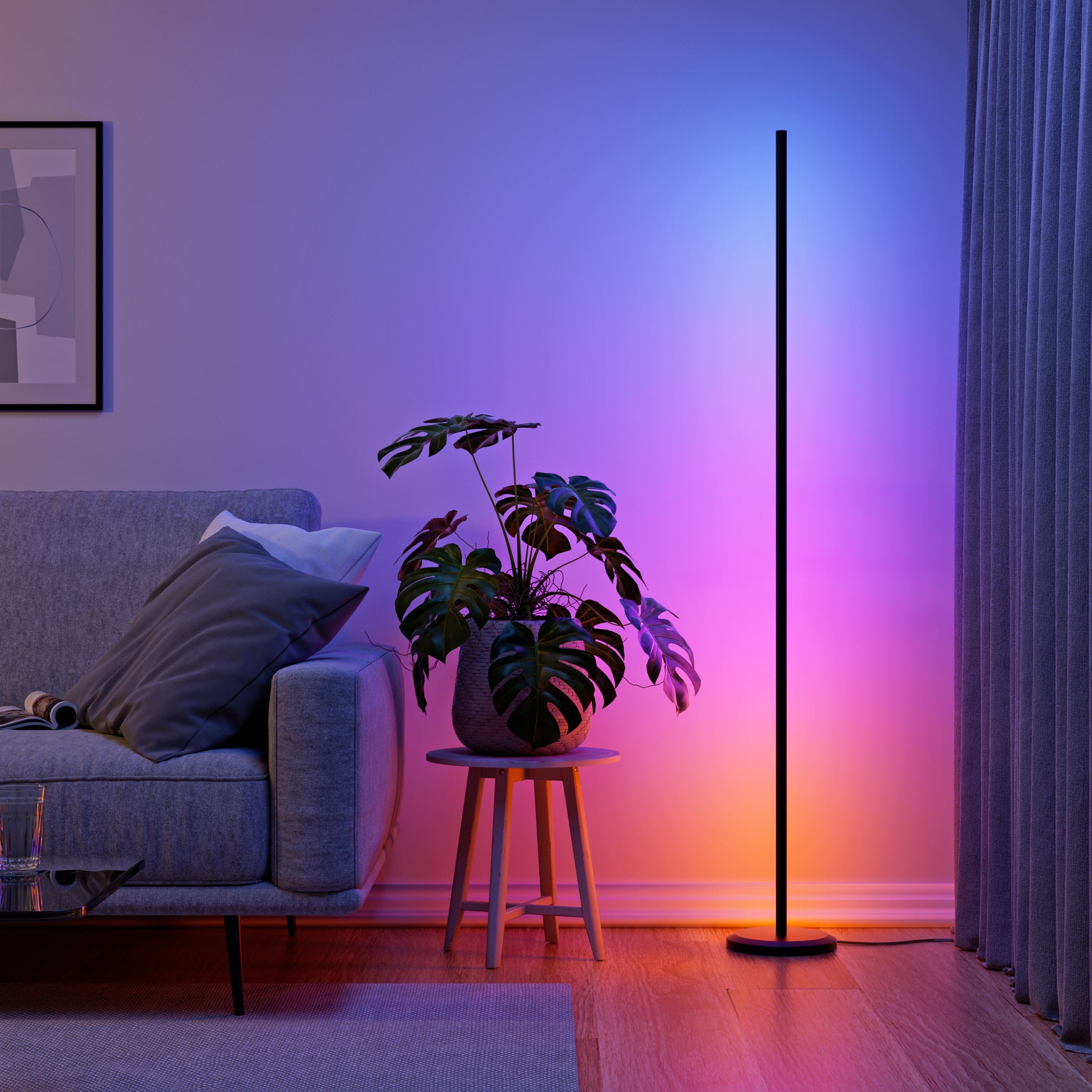
Credit: us-shop.nanoleaf.me
Benefits Of Led Floor Lamps
LED floor lamps bring many benefits that make them a smart choice for any room. They save money and energy while offering great light quality. These lamps suit different styles and needs, making them very practical.
Energy Efficiency
LED floor lamps use much less electricity than traditional bulbs. They turn more power into light, not heat. This means lower electricity bills and less waste of energy. Using LED lamps helps protect the environment by reducing carbon emissions.
Longevity
LED bulbs last a long time, often tens of thousands of hours. This means fewer replacements and less hassle. A good LED floor lamp can work well for years without needing new bulbs. This saves money and time over the lamp’s life.
Brightness And Color Options
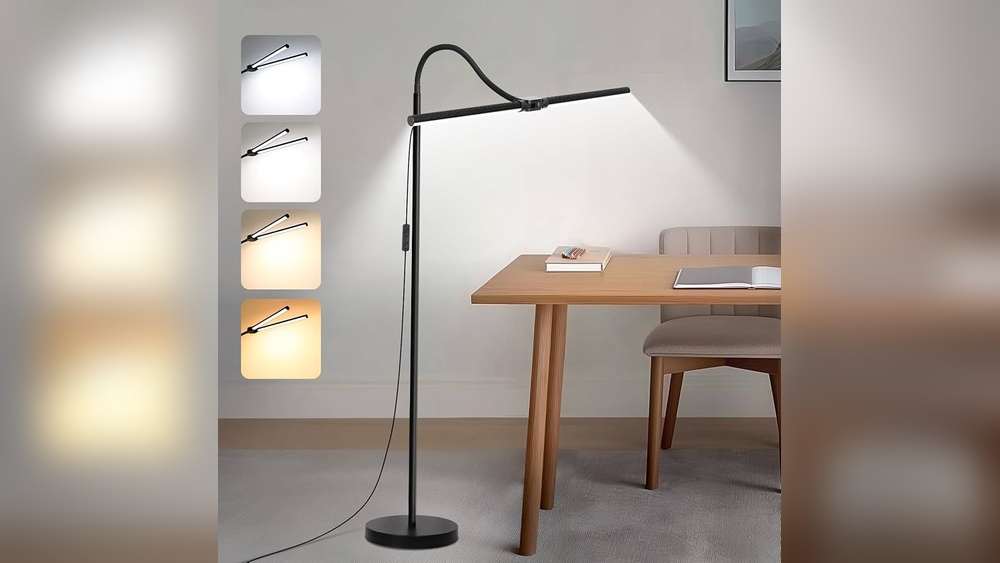
LED floor lamps offer many brightness levels to fit your needs. Choose soft light for relaxing or bright light for reading. Some lamps allow you to change colors from warm to cool white. This flexibility makes LED lamps ideal for any mood or activity.

Credit: verilux.com
Checking Compatibility With Led Bulbs
Checking if a floor lamp works with LED bulbs is important. LED bulbs save energy and last longer. Not all lamps fit every LED bulb. You must check some key features of your lamp. This helps avoid problems like flickering or no light.
Socket Type And Size
Look at the lamp’s socket. It must match the LED bulb base. Common types include E26 and E27. These are standard screw sizes for many bulbs. If the socket and bulb base differ, the bulb won’t fit. Always pick an LED bulb that fits your lamp’s socket size.
Wattage Limits
Each floor lamp has a maximum wattage limit. This is the highest power the lamp can safely handle. LED bulbs use less wattage but check the lamp’s rating. Choose an LED bulb with wattage below the lamp’s limit. This prevents overheating and electrical issues.
Dimmability Features
Not all LED bulbs dim. Check if your floor lamp has a dimmer switch. If yes, use dimmable LED bulbs only. Using non-dimmable bulbs may cause flickering or damage. Pick bulbs that match your lamp’s dimming features for smooth lighting control.
Identifying Suitable Led Bulbs
Choosing the right LED bulb for your floor lamp makes a big difference. Not all LED bulbs fit every lamp or room style. Knowing what to check helps you pick the best bulb. Focus on brightness, color, and light spread to find the perfect match.
Lumens Vs. Watts
Lumens show how bright a bulb is. Watts tell how much energy it uses. LED bulbs use fewer watts but give more lumens than old bulbs. For floor lamps, aim for 800 to 1600 lumens. This brightness suits reading and room lighting well.
Color Temperature Choices
Color temperature affects the light’s look. Measured in Kelvins (K), it ranges from warm to cool. Warm light (2700K) feels cozy and soft. Cool light (5000K) is bright and sharp. Pick warm for relaxing rooms. Cool works best for work or study areas.
Beam Angle Considerations
Beam angle controls how light spreads. A narrow angle focuses light in one spot. A wide angle covers a larger area. Floor lamps with shades often use wide angles. This spreads light evenly for general use. Spot lamps need narrow beams to highlight objects.
Common Issues With Led Floor Lamps
LED floor lamps offer energy savings and long life. Still, some common problems can affect their performance and user experience. Knowing these issues helps you decide if an LED floor lamp suits your needs.
Flickering Problems
Flickering is a frequent issue with LED floor lamps. It happens when the light rapidly turns on and off. This can cause eye strain and headaches. Flickering often occurs due to poor wiring or incompatible dimmers. Using quality bulbs and checking connections can reduce flickering.
Heat Management
LEDs produce less heat than traditional bulbs but still need proper cooling. Poor heat management shortens the lamp’s life. Lamps with good heat sinks or ventilation last longer. Avoid covering the lamp or placing it near heat sources.
Compatibility With Dimmer Switches
Not all LED floor lamps work with dimmer switches. Using the wrong dimmer can cause flickering or damage. Check if the lamp is labeled “dimmable” and use compatible dimmers. This ensures smooth brightness control without issues.
Testing Your Floor Lamp For Led Use
Testing your floor lamp for LED use helps ensure safety and good performance. Not all lamps work well with LED bulbs. Some lamps need special fixtures or bulbs. This section guides you through easy steps to test your floor lamp for LED compatibility.
Trying Different Led Bulbs
Start by using various LED bulbs with your lamp. Choose bulbs with different wattages and shapes. This helps find the best fit for your lamp socket. Watch for flickering or dim light. Flickering means the bulb and lamp may not work well together.
Using Led-compatible Fixtures
Check if your floor lamp’s fixture supports LED bulbs. Some older lamps have parts made only for incandescent bulbs. You may need to replace the fixture or use adapters. Fixtures made for LED bulbs provide steady light and save energy.
Monitoring Performance
Observe your floor lamp after installing LED bulbs. Look for heat buildup or unusual sounds. LED bulbs produce less heat but some lamps may get warm. Good performance means the lamp stays cool and light stays bright. Monitor for a few days to be sure.
Tips For Choosing The Right Led Floor Lamp
Choosing the right LED floor lamp can change the feel of any room. It’s important to pick a lamp that fits your needs and style. This guide helps you find the perfect LED floor lamp for your space.
Assessing Room Lighting Needs
Think about the room’s size and how much light it needs. A large room needs a brighter lamp or multiple lights. For reading or work, choose lamps with focused light. Soft, warm light works well in living rooms and bedrooms. Check if your lamp has adjustable brightness for flexibility.
Style And Design Options
LED floor lamps come in many styles. Modern, classic, or minimalist designs match different room decors. Consider the lamp’s height and shape to fit your space. Choose a color and finish that blends well with your furniture. A lamp with a dimmer switch adds control and comfort.
Budget Considerations
Set a budget before shopping. LED lamps vary in price based on features and brand. Higher-priced lamps often last longer and use less energy. Look for lamps with good reviews for quality and durability. Don’t forget to include the cost of LED bulbs if not included.

Credit: www.amazon.com
Frequently Asked Questions
How To Check If A Floor Lamp Supports Led Bulbs?
Check the lamp’s socket type and wattage limit. LED bulbs usually fit standard sockets but confirm the maximum wattage to avoid damage. Review the lamp’s manual or label for compatibility with LED bulbs to ensure proper functionality and safety.
Can I Use Led Bulbs In Any Floor Lamp?
Most floor lamps support LED bulbs if the socket matches. However, verify the lamp’s wattage rating and bulb size. Using LED bulbs within these limits ensures optimal performance and energy efficiency without harming the lamp or reducing its lifespan.
What Are The Benefits Of Using Led Bulbs In Floor Lamps?
LED bulbs save energy and last longer than incandescent bulbs. They emit less heat, enhancing safety and reducing cooling costs. LEDs offer various brightness and color options, improving lighting quality and ambiance in your space.
How To Know If A Dimmer Works With Led Floor Lamps?
Check if the dimmer switch is LED-compatible. Many older dimmers don’t support LED bulbs and cause flickering. Use dimmers labeled “LED-compatible” to ensure smooth dimming and avoid damage to the lamp or bulb.
Conclusion
Choosing the right floor lamp for LED bulbs is simpler than it seems. Check the lamp’s socket size and wattage limit first. Ensure the lamp supports LED bulbs for safety and performance. Consider the style and brightness you want in your space.
Remember, LED bulbs save energy and last longer. A suitable floor lamp with LEDs can brighten any room well. Take your time and pick what fits best. Your home will thank you with better light and lower bills. Simple steps lead to smart lighting choices.