Are you thinking about adding a Himalayan salt lamp to your home but worried about picking a fake? You’re not alone.
Many people want the natural glow and health benefits these lamps promise, but it’s easy to get tricked by imitations. Knowing how to spot a real Himalayan salt lamp can save you money and ensure you enjoy all the benefits you’re after.
Keep reading, and you’ll learn simple, clear ways to tell if your lamp is genuine—so you can buy with confidence and bring the true magic of Himalayan salt into your space.
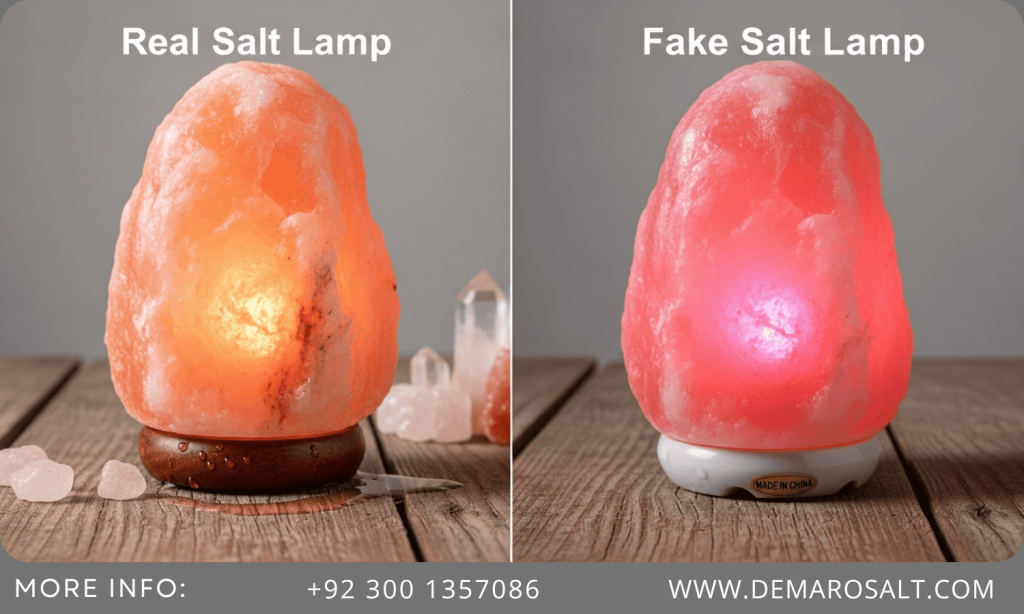
Credit: demarosalt.com
Spotting Genuine Salt Lamps
Spotting genuine Himalayan salt lamps can be tricky. Many fake lamps look similar but lack the true qualities of real salt. Knowing what to check helps you find authentic lamps that last long and glow beautifully. Focus on color, texture, weight, and light to tell the difference. These clues reveal the lamp’s origin and quality.
Color And Texture Clues
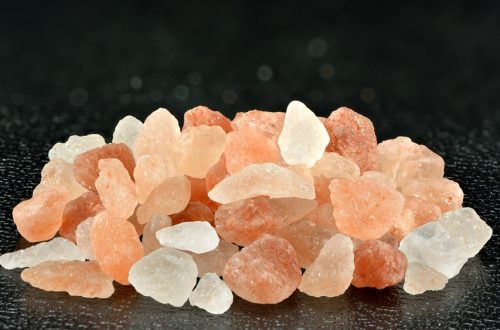
Real Himalayan salt lamps have warm, natural colors. Shades range from soft pink to deep orange. The color is not uniform. It changes slightly across the surface. The texture feels rough and grainy. You might see small salt crystals or natural lines. Fake lamps often have too bright or even colors. Their texture feels smooth or artificial.
Weight And Density
Genuine salt lamps are heavy for their size. Salt is a dense mineral. Hold the lamp to feel its weight. A real lamp feels solid and firm. Fake lamps often feel lighter or hollow inside. They might be made from plastic or resin. The weight difference is a clear sign of authenticity.
Light And Glow Characteristics
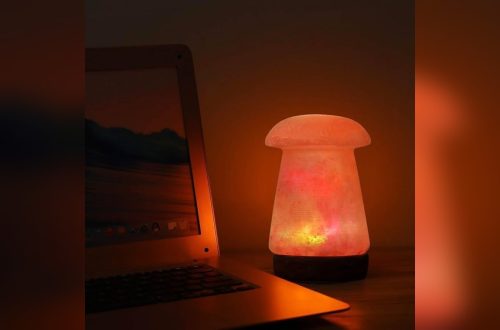
A true Himalayan salt lamp gives off a soft, warm glow. The light shines through the salt unevenly. This creates a cozy and calming effect. Fake lamps may have bright or harsh light. Their glow often looks flat or too clear. The warm glow helps reduce stress and adds gentle light to a room.

Credit: www.earthinspiredgifts.com.au
Common Signs Of Fake Lamps
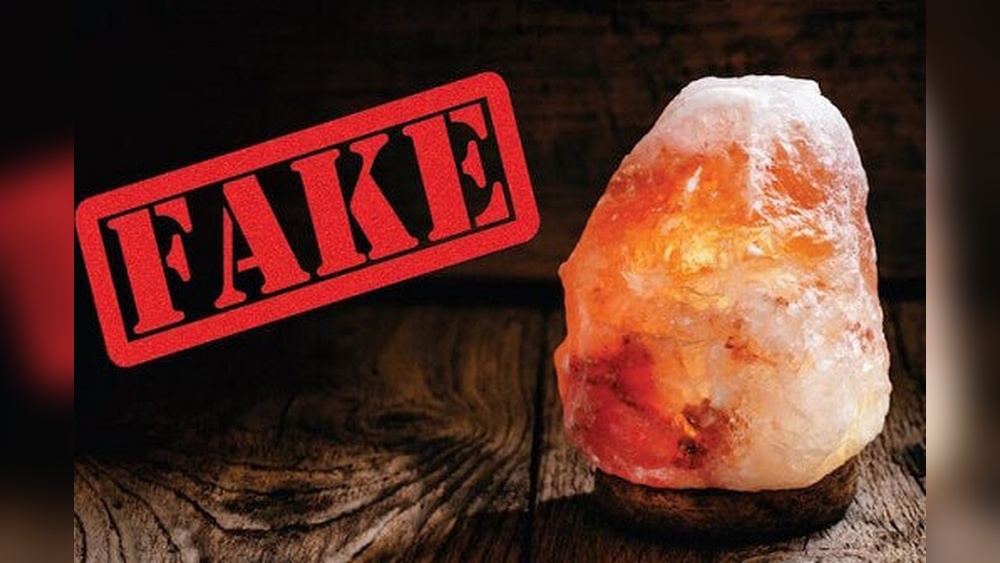
Fake Himalayan salt lamps are common in the market. Many sellers offer products that look real but are not. These lamps may lack the health benefits and beauty of genuine ones. Knowing the signs of fake lamps helps you avoid wasting money. Here are some common signs to watch for.
Unnatural Colors
Real Himalayan salt lamps have soft, warm colors. They range from light pink to orange and red. Bright or neon colors are a red flag. Fake lamps often have unnatural shades like bright white or overly bright orange. If the color looks too perfect or plastic-like, it may be fake.
Plastic Or Resin Feel
Genuine salt lamps are solid and rough. They feel heavy and natural to the touch. Fake lamps often feel light or smooth. Some are made from plastic or resin and try to mimic salt. Press the surface gently. A plastic or resin lamp will not feel grainy or salty.
Inconsistent Shapes And Sizes
Real salt lamps come in unique, uneven shapes. Each piece is carved from a salt block. Fake lamps may have too perfect or uniform shapes. They can look identical in size and shape, which is unusual for natural salt. Check the edges and base for unnatural cuts or molds.
Material And Craftsmanship
The material and craftsmanship of a Himalayan salt lamp reveal its true value. Authentic lamps show natural salt colors and textures. The way the lamp is made also tells a lot about its quality. Real craftsmanship means the lamp looks unique and feels sturdy. Every part, from the salt block to the base, matters in judging authenticity.
Hand-carved Vs Machine-made
Real Himalayan salt lamps are often hand-carved. This gives each lamp a unique shape and texture. Hand-carving shows natural salt patterns clearly. Machine-made lamps look too perfect and smooth. They may hide flaws but lose the natural charm. Hand-carved lamps feel rough and uneven. Machine-made lamps might also be made from salt powder mixed with glue.
Quality Of Base And Cord
A strong wooden or metal base shows good quality. Cheap plastic bases suggest a fake lamp. The base should fit the salt block tightly. Loose or wobbly bases mean poor craftsmanship. The electrical cord must be safe and sturdy. Check if the cord has a proper switch and plug. Poor wiring is a sign of a low-quality lamp.
Packaging And Branding
Authentic lamps come in well-designed packaging. The box usually shows clear brand information and origin. Poor or plain packaging can mean the lamp is fake. Look for labels that say “100% natural Himalayan salt.” Good brands include care instructions and warranty details. Packaging quality reflects the company’s trust in their product.

Credit: www.earthinspiredgifts.com.au
Testing Your Salt Lamp
Testing your Himalayan salt lamp helps confirm its authenticity. Simple checks reveal if the lamp is real or fake. These tests are easy and quick to do at home.
Water Absorption Test
Real Himalayan salt lamps absorb moisture from the air. Place a few drops of water on the lamp’s surface. If the water is quickly absorbed or the surface becomes damp, the lamp is likely genuine. Fake lamps often repel water and leave droplets on the surface.
Heat And Aroma Check
Turn on the lamp and let it warm up. A real salt lamp emits a soft, warm glow and a faint salty scent. Fake lamps may feel too hot or produce no scent at all. The gentle heat helps release negative ions, a sign of authenticity.
Electrical Safety Features
Check the lamp’s cord and plug for safety marks. Genuine lamps use quality electrical parts to prevent hazards. Look for certifications like UL or CE on the plug or cord. Avoid lamps with cheap wires or loose connections.
Trusted Sellers And Certifications
Choosing a real Himalayan salt lamp involves more than just looks. Trusted sellers and proper certifications play a key role in ensuring authenticity. These elements help avoid fake or low-quality products.
Buying from reliable sources gives confidence in the lamp’s origin and safety. Certifications from known organizations show the lamp meets certain standards. Checking customer feedback also reveals the true quality of the lamp and seller service.
Reputable Brands
Brands with good reputations usually sell genuine Himalayan salt lamps. They source salt from authentic mines in the Himalayas. These brands maintain quality control and test their products. Choosing well-known brands reduces the risk of buying fake lamps.
Third-party Certifications
Certifications from third parties add trust to a product. Look for lamps certified for material purity and electrical safety. These certifications come from independent labs or safety organizations. They prove the lamp is safe and made with real Himalayan salt.
Customer Reviews And Feedback
Reading customer reviews helps understand the lamp’s true quality. Honest buyers share their experience with the product and seller. Positive feedback about color, weight, and durability indicates authenticity. Negative reviews may warn about fake or poor-quality lamps.
Price And Value Factors
Price plays a big role in identifying a real Himalayan salt lamp. Understanding what you pay helps you avoid fake or low-quality products. Value is not just about cost but what you get for that cost. Real lamps offer lasting benefits and good durability.
Average Market Prices
Real Himalayan salt lamps usually cost between $20 and $50. The price depends on size and quality. Larger lamps or rare colors cost more. Prices too low may mean the lamp is fake or made from other materials. Watch out for prices that seem too cheap.
Avoiding Too-good-to-be-true Deals
Very low prices often mean poor quality or fake lamps. These lamps might look similar but lack the natural salt’s benefits. Some sellers use colored salt or plastic to copy the look. Always check product reviews and seller reputation. Avoid deals that seem unusually cheap for the size and quality.
Long-term Benefits And Durability
Real Himalayan salt lamps last for many years. They do not crumble or fade quickly. Over time, they release negative ions that can improve air quality. Fake lamps may break or lose color fast. Investing in a real lamp saves money and gives better health benefits over time.
Care And Maintenance Tips
Taking care of a Himalayan salt lamp helps it last longer and work better. Salt lamps need gentle handling and regular upkeep. Simple care keeps their glow warm and bright. Follow these tips to keep your lamp in top shape.
Cleaning Methods
Use a dry or slightly damp cloth to clean the salt lamp. Avoid water soaking or harsh cleaners. Wipe gently to remove dust and dirt. Do not use soap or chemicals. Dry the lamp fully after cleaning.
Proper Usage
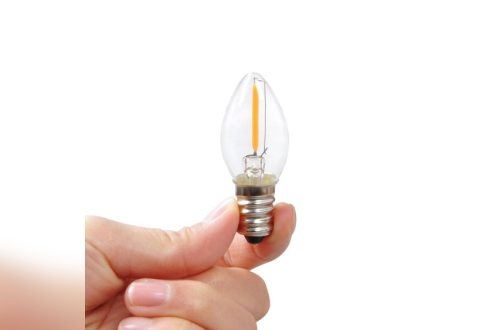
Keep the lamp on for several hours daily to prevent moisture build-up. Place it in dry areas away from humidity. Avoid placing near windows or bathrooms. Use the correct watt bulb to avoid overheating. Turn off the lamp when not in use.
Storage Recommendations
Store the lamp in a cool, dry place if not using it. Wrap it in a soft cloth to protect from scratches. Avoid airtight containers that trap moisture. Check the lamp before use to ensure it is dry. Proper storage prevents salt erosion and damage.
Frequently Asked Questions
How To Identify A Real Himalayan Salt Lamp?
A real Himalayan salt lamp has a natural, uneven surface and a warm pink-orange glow. It feels heavy and solid. Fake lamps are often smooth, lighter, or overly bright. Genuine lamps also sweat slightly in humid environments due to salt’s hygroscopic nature.
What Colors Indicate Authentic Himalayan Salt Lamps?
Authentic Himalayan salt lamps range from pale pink to deep orange or reddish hues. Pure white or bright orange lamps are often dyed or fake. Natural color variations result from mineral content in the salt rock.
Can Real Himalayan Salt Lamps Improve Air Quality?
Yes, real salt lamps can mildly improve air quality by releasing negative ions. These ions may reduce allergens and pollutants. However, benefits are subtle and not a replacement for medical or air purification devices.
How To Test If A Himalayan Salt Lamp Is Genuine?
To test authenticity, try dissolving a small salt piece in water. Real salt dissolves quickly and tastes salty. Also, real lamps feel cool to touch and emit a soft, warm glow when lit.
Conclusion
Choosing a real Himalayan salt lamp takes care and attention. Check its color, weight, and light glow. Genuine lamps feel heavy and have a warm, soft light. Fake ones often look too bright or too light. Trust your senses and do a little research.
A real salt lamp brings calm and beauty to your space. Enjoy the natural glow and benefits it offers every day.