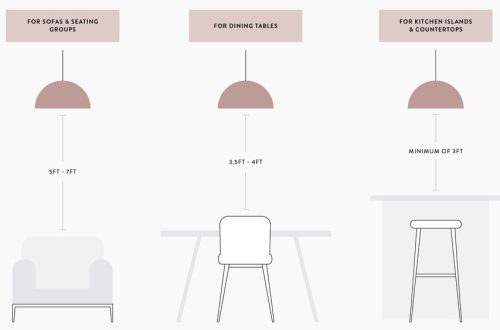
Choosing the right height to hang a pendant light over your sink can change the entire look and feel of your kitchen. If it’s too low, it might block your view or get in the way when you’re washing dishes.
Too high, and it won’t provide enough light where you need it most. You want your space to be both stylish and practical. You’ll discover simple tips to find the perfect height for your pendant light, making your kitchen brighter and more inviting.
Keep reading to get the exact measurements and expert advice that will help you avoid common mistakes and get it just right.
Ideal Height For Pendant Lights
Choosing the right height for pendant lights over a sink matters a lot. It affects both the look and the function of your space. The ideal height brings good light and fits your room’s style. It also keeps the light from being too bright or too low. This section helps you find the perfect height for your pendant lights.
Standard Measurements
The usual height to hang pendant lights over a sink is 30 to 36 inches above the countertop. This range gives enough light without blocking the view. It also keeps the light out of your way while washing dishes or preparing food. Most homes follow this standard for a balanced look.
Adjusting For Ceiling Height
Ceiling height changes how high you hang your pendant lights. For taller ceilings, raise the light a few inches more. For low ceilings, lower the light slightly but keep it safe from bumping heads. Always leave at least 28 inches of space between the light and the sink surface. This keeps the light bright and the space open.
Considering Sink Size
Sink size affects pendant light placement. A small sink works well with one small pendant light. For larger sinks, use two or more lights spread evenly. Make sure the lights cover the whole sink area. This helps avoid shadows and brightens your work space. Proper spacing makes the sink look neat and well-lit.
Factors Influencing Pendant Height
Choosing the right height for your pendant light over the sink depends on several important factors. These factors help balance function and style. They also ensure the light looks good and works well in the space. Understanding these points makes it easier to decide the best height for your pendant.
Purpose And Task Lighting
The main purpose of the pendant light affects its height. If it is for task lighting, it needs to be lower. This helps focus light on the sink area for better visibility. For general or ambient lighting, the pendant can hang higher. Task lighting prevents shadows and brightens the work surface. Adjusting height based on use improves both function and comfort.
Style And Design Impact
The design of the pendant also influences its height. Large or ornate pendants may need to hang higher to avoid overwhelming the space. Sleek and small designs can be hung lower for a dramatic effect. The pendant’s style should match the room’s look. Proper height makes the light a stylish feature rather than a distraction.
Room Layout And Surroundings
The sink’s location and surrounding elements play a big role. Ceiling height determines how low the pendant can hang safely. Nearby cabinets or shelves affect clearance around the light. Consider traffic flow and headspace below the pendant. The arrangement of furniture and fixtures guides the right pendant height.
Measuring Techniques
Measuring the right height for hanging a pendant light over a sink requires careful techniques. Accurate measuring helps avoid lights hanging too low or too high. It also ensures good lighting and safety while using the sink. Follow these simple methods to find the ideal height.
Using A Tape Measure
Start with a tape measure to get exact dimensions. Measure from the sink surface up to the ceiling. Note the total height. Then, decide the hanging height based on common guidelines, usually 30 to 36 inches above the sink. Use the tape measure to mark this height on the wall or ceiling.
Marking The Perfect Spot
Mark the spot where the pendant light will hang. Use a pencil to make small marks on the ceiling. Check the marks from different angles. Make sure the light will center over the sink. This prevents shadows and helps balance the room’s look.
Trial And Error Method
Sometimes, measurements alone don’t give the best result. Hang the pendant light temporarily at the measured height. Stand back and see how it looks and feels. Adjust the height up or down as needed. Keep trying until the light feels just right over the sink.
Common Mistakes To Avoid
Hanging a pendant light over a sink looks simple but requires care. Many people make mistakes that affect both style and function. Avoiding these errors ensures your space looks great and works well. Here are some common mistakes to watch out for.
Hanging Too Low Or Too High
Placing the pendant too low can block views and cause bumps. It also limits workspace and looks crowded. Too high, and the light may not illuminate the sink properly. Aim for the right height to balance style and function.
Ignoring Light Spread
Not thinking about how light spreads can leave dark spots. Pendant lights should cover the sink area evenly. A narrow beam may look nice but won’t light the whole space. Choose fixtures and bulbs that spread light well.
Overlooking Safety Clearances
Safety matters near water. Hanging lights too close to water sources can be dangerous. Make sure the pendant is far enough from the sink and faucets. Check local codes for safe distances to avoid hazards.
Adjusting Pendant Height After Installation
Adjusting the height of a pendant light over a sink can improve both function and style. After installation, you might find the light is too low or too high. Changing its height can make your kitchen look better and work smarter. Here are simple ways to adjust your pendant light’s height.
Using Adjustable Cords
Many pendant lights come with cords that can be shortened or lengthened. This feature allows easy height adjustment without removing the fixture. Simply pull the cord up to raise the light or let it down to lower it. Make sure to turn off the power before handling the cord. Check that the cord is secure after adjusting to avoid accidents.
Replacing Fixtures
If the pendant light does not have an adjustable cord, consider swapping it for one that does. Choose a fixture with a cord or chain that can change length. This gives you the flexibility to set the perfect height later. Replacing a fixture might take some time but offers long-term convenience. Always follow safety rules during installation or replacement.
Consulting Professionals
Electric work can be tricky and risky. Hiring an electrician ensures the pendant light adjusts safely and correctly. Professionals can recommend the best height based on your kitchen layout. They also check wiring and support to prevent hazards. Using experts saves time and avoids common mistakes. It is a smart choice for complex lighting setups.
Styles That Affect Hanging Height
Choosing the right style of pendant light affects how high you should hang it over your sink. Different styles change the look and the light spread. The style also impacts how the light fits in your space. Understanding these factors helps create a balanced and functional kitchen area.
Single Vs. Multiple Pendants
Single pendants often hang lower to create a focused light spot. They work well over smaller sinks or narrow spaces. Multiple pendants need more space between each light. They usually hang a bit higher to avoid crowding and to spread light evenly. The number of pendants changes the overall height and spacing needed.
Shape And Size Considerations
Large or wide pendants need more height to avoid blocking views. Small or narrow pendants can hang lower without feeling heavy. Round shapes soften the light and can hang a bit lower. Angular or long shapes often require more space above the sink. Size and shape guide the best hanging height for comfort and style.
Material And Light Diffusion
Clear glass pendants shine bright and direct light downwards. They should hang higher to reduce glare. Opaque or frosted materials spread light softly. These can hang lower for a cozy feel. Metal or solid shades focus light in one spot. Adjust height to avoid dark shadows. The material changes how light moves and affects the ideal height.
Frequently Asked Questions
How High Should Pendant Lights Hang Over A Sink?
Pendant lights should hang 30 to 36 inches above the sink countertop. This height provides adequate task lighting without obstructing views or workspace. Adjust based on ceiling height and pendant size for optimal balance and aesthetics.
What Factors Affect Pendant Light Height Over A Sink?
Ceiling height, pendant size, and sink dimensions impact the hanging height. Consider task lighting needs and kitchen style. Proper height ensures functionality and visual appeal while avoiding glare or shadows on the sink area.
Can Pendant Light Height Vary With Ceiling Height?
Yes, higher ceilings require pendant lights to hang slightly higher, around 36 to 42 inches. Lower ceilings typically need lights closer to 28 to 32 inches above the sink for effective illumination and comfortable use.
Why Is Pendant Light Height Important Over A Sink?
Correct height prevents glare, shadows, and workspace obstruction. It enhances visibility and safety during kitchen tasks. Properly hung pendants improve the room’s ambiance and functional lighting balance.
Conclusion
Choosing the right height for your pendant light over the sink matters. Aim for about 30 to 36 inches above the countertop. This height gives enough light without blocking your view. Keep in mind the size of the fixture and sink area.
Adjust slightly for taller or shorter people in your home. Proper lighting makes your kitchen safer and more pleasant. A well-placed pendant light brings style and function together. Simple steps like these improve your daily tasks in the kitchen. Bright, clear light makes cooking and cleaning easier.